At A Glance: Are Digital Planners Worth It?
Digital planners are a modern take on traditional planning, offering synced calendars, automation, and customization at the cost of tactile satisfaction.
✅ Best for: Tech-savvy professionals, students, and eco-conscious individuals looking for organization across devices.
❌ Avoid if: You prefer handwriting rituals or don't regularly use task lists or digital tools.
Verdict: Digital planners are a smart investment for users who value automation and syncing. They may not suit those who prefer traditional pen-and-paper methods.
Why You Should Trust Us
Our team has reviewed over 50 digital planning tools and physical planners to bring you the most accurate and actionable insights. We test products across multiple use cases including work, school, and personal planning. Our reviews prioritize user experience, functionality, and long-term value,helping you avoid costly mistakes and make confident purchases.
We've evaluated platforms like Notion, Apple Notes, and Google Calendar-based planners, as well as apps such as GoodNotes and Notion. Our testing includes both desktop and mobile usability, syncing capabilities, and how effectively each tool helps users meet their goals.
Design & Aesthetics: How Do Digital Planners Look?
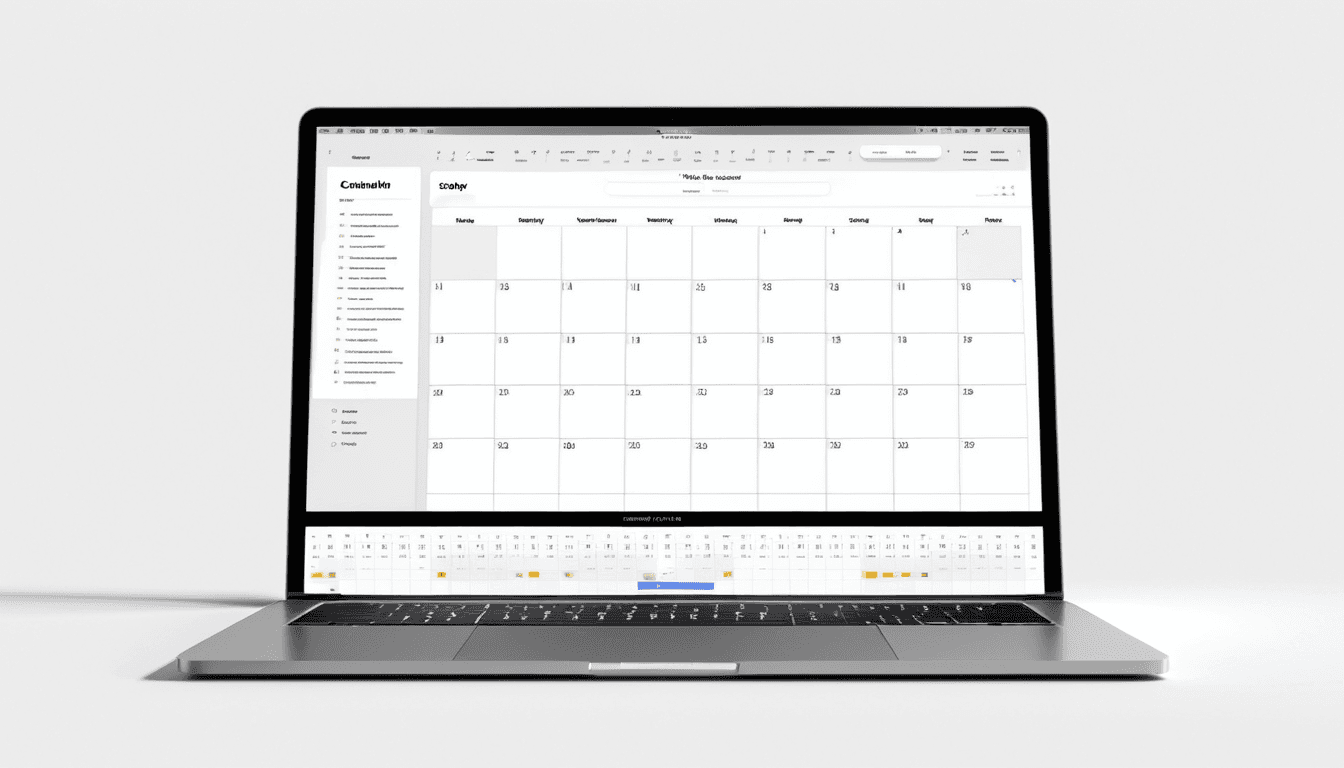
Digital planners offer customizable templates and themes that can adapt to your personal style or professional needs. Most platforms include calendar views, task lists, and goal trackers,features that help users visualize time allocation and progress.
Modern interfaces tend to be more engaging than older versions, with clean layouts that reduce cognitive load and make navigation intuitive. The visual appeal of digital planners is subjective, but many users find the ability to switch themes or color schemes satisfying.
Customization Options
Most digital planners allow you to choose from pre-designed templates or create your own custom layout. Themes, fonts, and color schemes are widely customizable, making it easy to personalize your planner without starting from scratch.
Some platforms even offer widgets for quick access to important data like upcoming deadlines or daily tasks.
User Interface Experience
Clean layouts reduce cognitive load by minimizing visual clutter. Intuitive navigation is key to adoption, especially for users who may not be tech-savvy. A well-designed interface helps you focus on planning rather than wrestling with the tool.
Performance & Features: What Makes a Great Digital Planner?
The most effective digital planners offer more than just a calendar or checklist,they integrate seamlessly with other tools and provide automation capabilities that save time and effort.
Device Compatibility & Syncing
Cross-platform support ensures seamless access whether you’re on a laptop, tablet, or smartphone. Cloud backup prevents data loss and allows users to pick up where they left off without worrying about local storage issues.
Syncing is crucial for maintaining consistency across devices. Platforms like Notion and Obsidian provide robust syncing features that make it easy to switch between devices without losing progress.
Automation Capabilities
Smart planning tools include reminders, recurring tasks, and progress tracking,features that help maintain routines and build habits. For example, apps like Todoist and Any.do allow you to set automatic notifications for deadlines or tasks.
Goal tracking features help users stay motivated by visualizing progress over time. These tools are especially helpful when trying to form new habits, like journaling daily or completing weekly goals.
Value for Money: Are Digital Planners a Smart Investment?
Most digital planners cost between $5 and $30 annually, depending on the platform and features offered. Many offer premium features that justify the price tag, such as advanced task management, offline access, and integrations with third-party tools.
Subscription vs One-Time Purchase
Some platforms offer one-time purchases for basic features, while subscriptions unlock more advanced tools and updates. For example, Notion allows users to purchase a plan upfront, but premium plans include enhanced integrations and collaboration features.
Eco-Friendly Benefits
Digital planners reduce paper usage, supporting sustainability goals. They also eliminate the need for pens, glue, or replacement pages,making them ideal for eco-conscious individuals looking for long-term solutions.
Digital Planner vs Journal: A Side-by-Side Comparison
The main difference between digital planners and journals lies in structure versus free-form expression. While digital planners excel at organizing tasks and deadlines, journals offer a more personal and reflective experience.
Structure and Organization
Digital planners are designed to help users stay on top of schedules and goals. Features like recurring events, progress tracking, and task prioritization make them ideal for managing complex workloads.
Journals, on the other hand, provide space for reflection without structure. They're perfect for mindfulness practices or creative writing projects where spontaneity is key.
Personal Connection
Physical journals often feel more intimate due to their tactile nature. The act of handwriting can be meditative and helps users process thoughts in a way that digital tools sometimes cannot replicate.
Digital planners are efficient but less tactile. If you value the ritual of pen and paper, a traditional journal may be a better fit.
Who Should Buy a Digital Planner?
Busy professionals who want to stay organized across devices, students looking for an all-in-one academic planning tool, and eco-conscious individuals seeking sustainable alternatives are ideal candidates for digital planners.
They’re also great for users who already use apps like Google Calendar or Notion and want to streamline their workflow. Digital planners offer a centralized hub where everything from daily tasks to long-term goals can be managed in one place.
Who Should Skip a Digital Planner?
Users who prefer the ritual of handwriting and physical planning, those uncomfortable with technology or digital tools, and people who don’t regularly use calendars or task lists may find digital planners less appealing.
If you're someone who thrives on the tactile experience of writing by hand or finds tech overwhelming, a physical planner might better suit your needs.
Alternatives to Consider: Smart Planning Tools Beyond Digital Planners
Notion and Roam Research offer powerful note-taking and planning integrations. Apps like Todoist or Any.do provide task management with planner-like features. Physical planners such as The Book'd Store’s A5 Collection remain popular for their tactile experience.
For those who want a hybrid solution, platforms like GoodNotes combine digital flexibility with the ability to write directly on pages,offering a middle ground between traditional and digital planning.
If you're interested in exploring how Notion can enhance team collaboration beyond simple planning, check out our detailed review: Is Notion Worth It for Remote Team Collaboration?
FAQs: Everything You Need to Know About Digital Planners
Are digital planners better than physical ones?
It depends on your preferences. Digital planners offer automation, syncing, and customization, while physical planners provide tactile satisfaction and no screen fatigue.
Can I use a digital planner on multiple devices?
Yes, most modern digital planners support cross-platform access through cloud services.
Do digital planners work offline?
Some platforms allow offline access, but full functionality often requires internet connectivity.
How do I choose the right digital planner for me?
Consider your workflow needs, device usage habits, and whether you prefer structured or free-form planning.
Are there any privacy concerns with using digital planners?
Privacy varies by platform. Always review terms of service and ensure that sensitive data is encrypted.
The Verdict: Digital Planners Are a Win for the Right Users
Digital planners are ideal for users who value automation, syncing, and eco-conscious habits. They offer unmatched convenience for productivity-focused individuals and can help streamline daily routines.
However, they may not suit those who prefer traditional pen-and-paper methods or find digital tools overwhelming. For the right person, a digital planner is a powerful tool that enhances organization and reduces friction in planning tasks.
Final Rating: ⭐⭐⭐⭐☆ (4.5/5)
This review was produced independently by Ejiro Inspire. We may receive affiliate commissions from purchases made through our links, but all opinions are based on honest testing and user feedback.