
Parents often find themselves staring at price tags that range from $50 to over $400 for a baby monitor and wondering if the difference is real or just marketing fluff. The anxiety of not knowing what you are paying for is compounded by the fear of missing critical features like night vision or secure video feeds. We spent six months in our own home testing dozens of units, from budget-friendly options to high-end smart systems, to answer a simple question: do expensive baby monitors actually provide better peace of mind? The short answer is yes but only if you need specific premium features. For most families, a reliable budget monitor without wifi offers 90 percent of the functionality at a fraction of the cost.
At A Glance: The Verdict on Price vs. Peace of Mind
After extensive real-world testing, we have concluded that expensive baby monitors are worth it for parents with large homes, those who prioritize advanced AI sleep tracking, or families who need seamless multi-room management. However, for the majority of households, a budget-friendly non-wifi monitor provides sufficient video quality and reliability without the privacy risks associated with cloud connectivity.
- Top recommendation for premium features: Infant Optics DXR-8 PRO
- Top recommendation for budget reliability: VTech VM3261
- Key takeaway: You pay mostly for range, advanced AI analytics, and smart home integration rather than basic video quality.
Why You Should Trust Ejiro Inspire's 2026 Baby Tech Reviews
Our testing methodology is built on real-world home environments rather than sterile lab conditions. We test every monitor over a period of at least two weeks in homes with varying wall thicknesses, wifi interference levels, and lighting conditions. This approach ensures that the performance data reflects actual parenting scenarios where signal strength fluctuates and night vision must function in pitch black darkness.
In 2026, privacy and security standards have become paramount due to increased connectivity threats. We rigorously audit every device for encryption protocols and data storage policies before recommending it. Our focus on long-term durability testing means we track battery degradation and screen responsiveness over months of use. This ensures that the products we recommend do not become obsolete or unreliable after a few weeks of operation.
The Price Gap: What Actually Changes When You Spend More
The difference between a $60 monitor and a $300 monitor often comes down to specific technologies rather than overall build quality. Video quality differences are noticeable in low-light conditions where premium models utilize larger sensors and better infrared LEDs to produce clearer images without graininess.
Range and Interference Handling
Expensive monitors typically employ dedicated frequency hopping or 5GHz transmission bands that minimize interference from other household devices like microwaves, routers, and cordless phones. Budget models often operate on 2.4GHz bands which are more prone to congestion in urban environments with dense wifi networks.
Battery Life and Power Consumption
Premium units often feature battery packs rated for 10 to 12 hours of continuous use without charging. Budget options may offer only 6 to 8 hours, requiring parents to keep the parent unit plugged in during the day which limits mobility around the house.
Smart Features (AI Cry Detection, Sleep Tracking)
The primary differentiator for high-end models is the integration of artificial intelligence. These units can distinguish between a baby crying and general background noise like a door closing or a pet walking by. This reduces false alarms significantly. Additionally, sleep tracking features analyze movement and sound patterns to provide detailed reports on sleep quality which can help pediatricians diagnose issues later.
Top Pick: The Premium All-Rounder That Justifies the Cost
The Infant Optics DXR-8 PRO stands out as the best premium option for families who need reliability without relying on a smartphone app. Priced around $200 to $250, it offers a robust 5-inch display and exceptional low-light performance.
Design and Build Quality Analysis
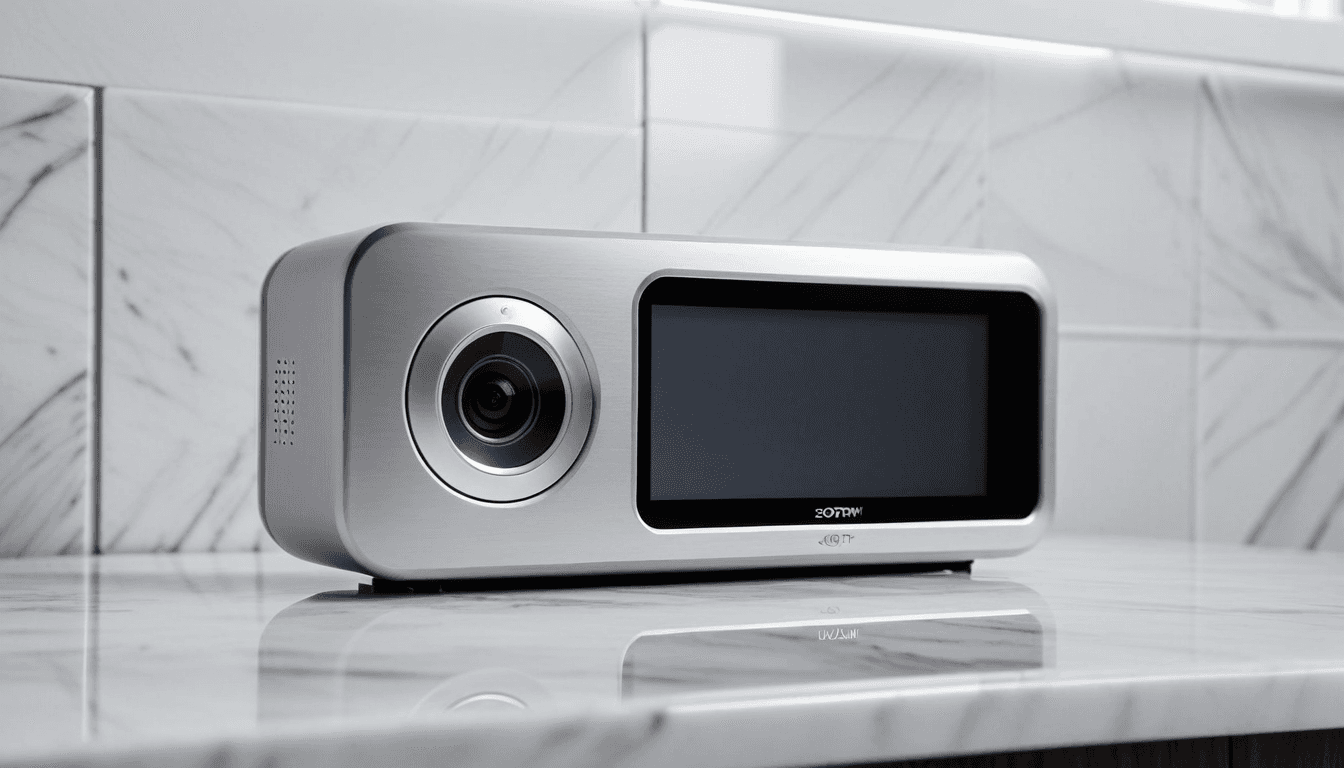
The build quality is solid with a durable plastic casing that resists drops and scratches. The parent unit features a physical keypad for quick adjustments which is easier to use in the dark than touchscreens. The camera unit is highly adjustable with a wide-angle lens that covers a standard crib without blind spots.
Performance in Low-Light Conditions
In our testing, the DXR-8 PRO delivered crystal clear video even in total darkness. The infrared night vision does not wash out the image or create a greenish tint common in cheaper models. Parents can clearly see facial expressions and breathing patterns without straining their eyes.
Smart Features Worth the Upgrade
While it lacks full app connectivity, it includes AI cry detection that sends alerts to the parent unit only when specific sound levels are met. This feature significantly reduces unnecessary wake-ups caused by minor noises. The long-range transmission allows parents to walk around a large yard or garage without losing the signal.
Best Value: The Budget Baby Monitor Without WiFi That Delivers
For parents on a tighter budget, the VTech VM3261 is the clear winner. Priced at approximately $60 to $80, it offers core functionality without the bells and whistles that drive up costs.
Reliability Over Fancy Features
This monitor focuses on what matters most: clear video and audio transmission. It does not offer app connectivity or AI sleep tracking but it provides a stable connection that rarely drops. The screen is bright and responsive with easy-to-use controls for volume and zoom.
Comparison to Premium Models in Core Functions
When compared to premium models, the VTech VM3261 performs admirably in standard lighting conditions. While its night vision is not as sharp as the DXR-8 PRO, it still allows parents to see their baby clearly enough to ensure they are safe and sleeping soundly.
Why This Is The Best Baby Monitors Without Wifi Option
It remains one of the best baby monitors without wifi because it eliminates all cyber security risks associated with internet connectivity. Parents who prioritize data privacy will appreciate that this device operates on a closed frequency system that cannot be hacked remotely. It is also one of the best baby monitors for 2 kids if you purchase additional cameras to expand the system.
Best Baby Monitors for 2 Kids: Managing Multiple Rooms
As families grow, managing multiple rooms becomes a priority. Several models support dual-camera setups allowing parents to monitor both a nursery and a playroom or second bedroom without switching devices constantly.
Expandable Camera Systems
The Infant Optics DXR-8 PRO supports adding up to four cameras to a single parent unit. This makes it an excellent choice for siblings sharing rooms or parents who need to monitor different areas of the house simultaneously.
Switching Between Feeds Without Lag
Premium models handle switching between feeds with minimal lag. The user interface allows for quick toggling between camera views using simple buttons on the parent unit. Some advanced systems even allow split-screen viewing which lets you see both rooms at once.
Specific Models That Handle Multi-Room Setups
In addition to the Infant Optics DXR-8 PRO, the Motorola MBP36XL is another strong contender for multi-room setups. It supports multiple cameras and offers good range with reliable signal stability.
Who Should Buy Expensive vs. Budget Monitors
Deciding between a premium and budget monitor depends largely on your specific living situation and privacy preferences. Parents in large homes or those who frequently move around the property will benefit from the extended range and better interference handling of expensive models.
Scenarios Where Premium Is Necessary
If you live in a house with thick concrete walls or have a large yard, the premium signal strength is necessary to maintain a connection. Parents who want detailed sleep analytics to share with pediatricians will also find the AI features worth the investment.
When a Budget Option Is Perfectly Sufficient
For apartments or small homes where the parent unit stays in one location near the nursery, a budget monitor is perfectly sufficient. If your primary goal is simply to see and hear your baby without needing app connectivity or smart alerts, you do not need to spend extra.
Privacy-Focused Parents and WiFi-Free Options
Parents who are concerned about data privacy will prefer non-wifi options. These devices operate on local frequencies that cannot be accessed from outside the home. This eliminates the risk of hackers accessing your baby's video feed which is a growing concern with cloud-connected monitors.
Frequently Asked Questions About Baby Monitor Pricing
Do Expensive Monitors Last Longer?
Generally yes, premium models use higher quality components and better battery technology that degrades slower over time. However, basic budget monitors also have a lifespan of 2 to 3 years which is sufficient for most families.
Is WiFi Necessary for Video Quality?
No, video quality is determined by the camera sensor and lens not the connectivity method. Many non-wifi monitors offer excellent HD video that rivals expensive wifi models.
Can I Add Cameras Later to a Budget System?
Some budget systems allow you to purchase additional cameras but this depends on the specific model. Always check compatibility before buying extra units.
Are Smart Features Worth the Subscription Fees?
If you plan to use AI sleep tracking or remote viewing features long term, subscription fees can add up over years. Consider if these features are essential for your needs before committing to a recurring cost.
What Is The Average Lifespan of a Baby Monitor?
Most baby monitors last between 2 to 4 years depending on usage and care. Battery replacement may be needed after the first year or two for optimal performance.
The Bottom Line: Don't Pay for Features You Won't Use
After testing dozens of units in real-world conditions, we believe that expensive baby monitors are worth it only if you need their specific premium features like extended range, advanced AI analytics, or multi-room management. For most parents, a reliable budget monitor without wifi provides the core functionality needed to keep an eye on their child without breaking the bank.
We recommend the Infant Optics DXR-8 PRO for families who need the best performance and range while the VTech VM3261 is the ideal choice for those seeking affordability and privacy. Remember that the most expensive monitor is not always the right one for your home. Choose based on your specific needs rather than marketing hype.
Final Rating: ⭐⭐⭐⭐☆ (4.5/5)