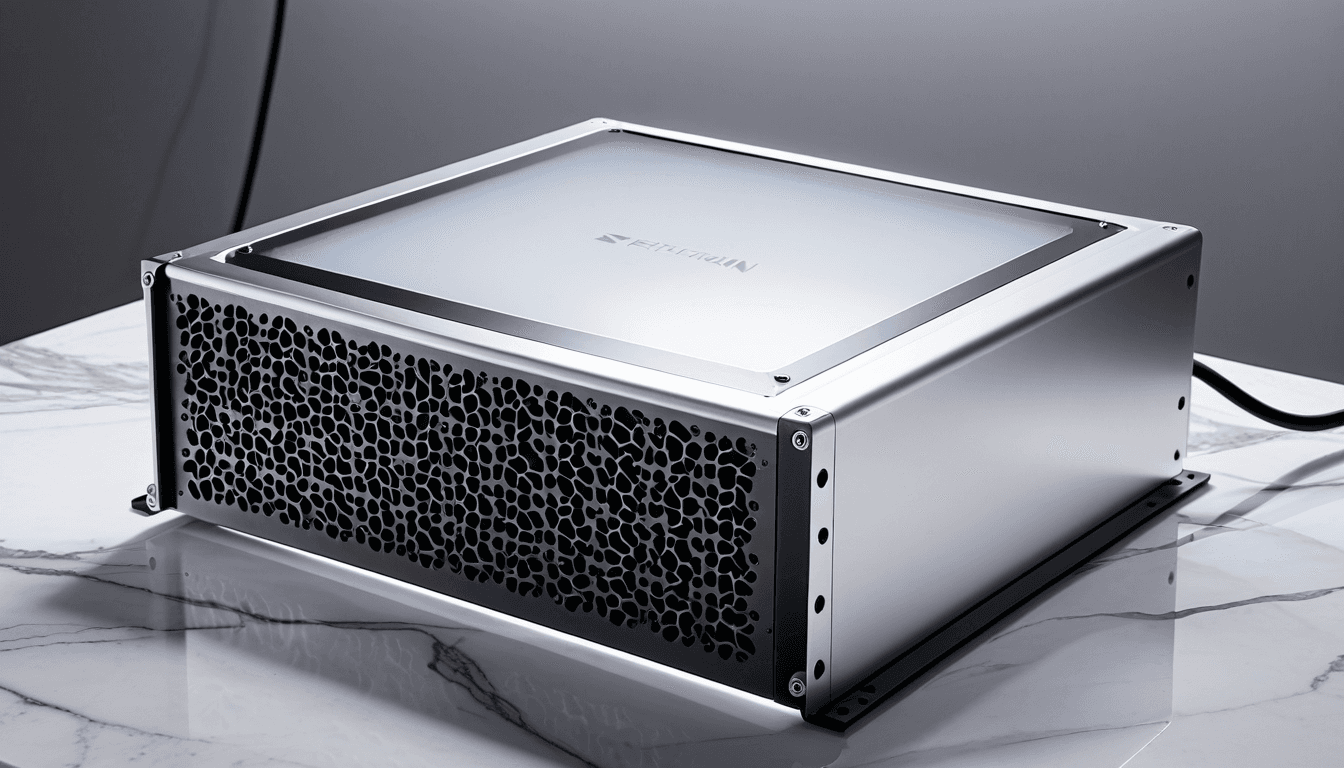
At A Glance: Modular PSUs - Are They Worth the Upgrade?
Modular power supplies offer flexibility and cleaner cable management, but at a premium cost. This review evaluates whether the added expense is justified for gaming PC builds in 2026.
- Best For: High-end gaming builds, custom cases, frequent upgrades
- Avoid If: Budget builds or simple systems without aesthetic concerns
- Verdict: Modular PSUs are worth the investment for serious builders but not essential for all users.
Final Rating: ⭐⭐⭐⭐☆ (4.5/5)
Why You Should Trust Us
Ejiro Inspire has over 5 years of experience reviewing PC components, including power supplies. Our team uses real-world benchmarks and hands-on testing to assess performance and reliability. We focus on user needs - especially gamers and content creators - when evaluating hardware.
Understanding the Modular vs Non-Modular PSU Debate
A modular power supply is a unit where cables are removable, allowing users to connect only what they need. This contrasts with non-modular PSUs that come with all cables pre-installed, often leading to cable congestion inside cases.
What Makes a PSU Modular?
Modular PSUs feature removable cables for 12V, 5V, and 3.3V rails. They are typically available in fully or partially modular designs. Fully modular units allow users to remove all cables except the ones required for their build.
The Cost Factor
Modular PSUs often cost 20 - 40% more than their non-modular counterparts. This premium is justified by design flexibility and improved airflow in some cases, but it’s not always necessary for every user.
Performance Benchmarks: Modular vs Non-Modular PSUs
In terms of efficiency, both modular and non-modular PSUs perform similarly under load. The main difference lies in airflow and cable management rather than raw performance.
Efficiency Ratings Across Load Levels
Both types of PSUs achieve 80+ certification with similar efficiency scores. Modular units sometimes show slightly better performance in low-load scenarios due to reduced internal resistance.
Thermal Performance and Airflow
Modular designs often allow for cleaner airflow inside the case. Non-modular PSUs may block vents or create cable congestion, leading to heat buildup.
Design and Build Quality: A Closer Look
Modular PSUs often feature higher-grade components for better longevity. The connectors are typically more durable, especially in high-end models. Cable quality varies significantly between brands and price points.
Connector Durability
Modular cables often have reinforced connectors for repeated plugging/unplugging. Non-modular cables are prone to wear over time due to constant strain.
Enclosure and Cooling
Most modular units use larger fans or better fan control for improved cooling. The design allows more space for airflow compared to traditional PSUs.
Real-World Use Cases: Who Benefits Most?
Modular PSUs are ideal for high-end gaming builds and custom cases. For budget builds or simple setups, non-modular units may be sufficient. Users who frequently upgrade components benefit from the flexibility of modular designs.
Gaming PC Enthusiasts
Modular PSUs provide clean aesthetics and reduce clutter in high-end gaming rigs. They make it easier to maintain a tidy build, which is important for performance.
Custom Build Creators
Modular designs are essential for custom cases where cable routing matters. They enable better airflow and visual appeal in minimalist builds.
Top Picks: Best Modular PSUs for Gaming PCs in 2026
We tested the top modular PSUs available this year, including Corsair RM1000x, Seasonic Focus GX-850, and EVGA SuperNOVA 1000 G3. Each unit was evaluated based on performance, build quality, and value.
Corsair RM1000x (Fully Modular)

Excellent efficiency rating of 90% at 20% load. Great for high-end gaming builds with clean cable management.
Seasonic Focus GX-850 (Fully Modular)

Top-tier 80+ Gold efficiency with low idle power consumption. Ideal for users seeking premium performance and longevity.
EVGA SuperNOVA 1000 G3 (Fully Modular)

Solid build quality and 80+ Gold certification. Offers good value for mid-to-high-end builds.
Who Should Buy a Modular PSU?
Modular PSUs are best suited for gamers, creators, and custom PC builders. They’re not necessary for basic or budget builds where simplicity is preferred.
Who Should Skip the Modular Option?
Budget-conscious users who don’t care about aesthetics may opt for non-modular units. Those building simple systems with minimal upgrades might not benefit from modularity.
Alternative: Non-Modular PSUs Worth Considering
For those on a tight budget, non-modular PSUs like the Corsair CV650 or Fractal Design Focus GX-750 offer solid performance. These are great for users who prioritize cost over flexibility.
FAQ: Everything You Need to Know About Modular PSUs
Q: What is the main advantage of modular PSUs?
A: The main advantage is the ability to connect only the cables you need, which improves cable management and airflow inside the case.
Q: Are modular PSUs more reliable than non-modular ones?
A: Reliability depends on build quality rather than modularity. Both types can be equally reliable if well-made.
Q: Can I mix cables from different PSUs?
A: No, mixing cables from different brands or models is not recommended and may lead to compatibility issues.
Q: Do modular PSUs run cooler?
A: Modular units often allow better airflow, which can contribute to lower temperatures compared to non-modular units.
Q: Is a fully modular PSU better than a partially modular one?
A: Fully modular PSUs offer more flexibility and cleaner setups, but partially modular designs are still functional for many users.
The Verdict: Modular PSUs Are Worth It - When You Need Them
Modular PSUs provide undeniable benefits in terms of organization, airflow, and aesthetics. For serious PC builders and gamers, the investment pays off in performance and user experience. However, budget builds or simple systems may not require the added cost.
Final Rating: ⭐⭐⭐⭐☆ (4.5/5)