At A Glance
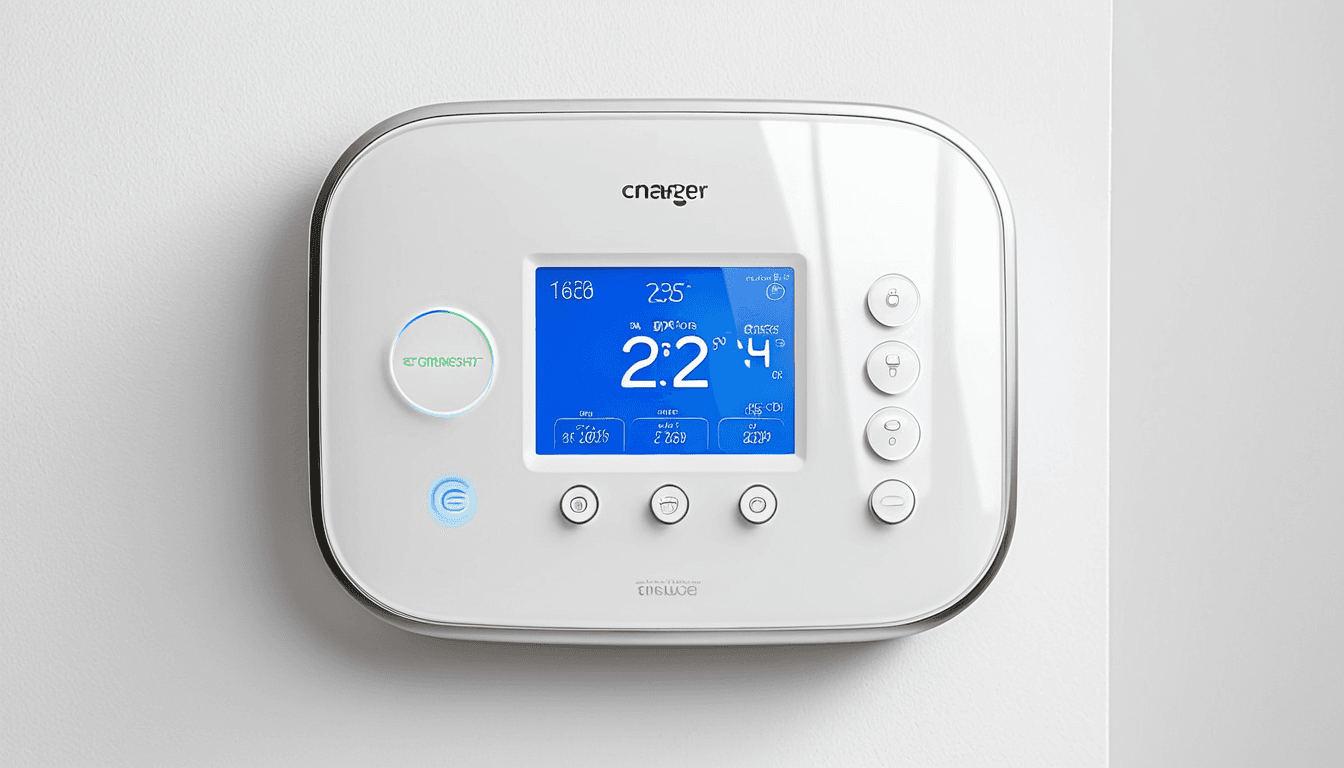
Smart thermostats are revolutionizing home comfort and energy efficiency in 2026. This review covers the top smart thermostat models based on performance, features, and value.
Verdict Overview
- Nest Thermostat: Our top pick for overall smart home integration and user experience
- Ecobee SmartThermostat: Best for multi-zone homes with advanced scheduling
- Honeywell Lyric: Ideal for those seeking robust connectivity and ease of setup
Smart thermostats are no longer just about temperature control,they're intelligent systems that learn your habits, monitor energy use, and integrate seamlessly with smart home ecosystems.
Why You Should Trust Us
Ejiro Inspire has over 5 years of experience reviewing smart home products. Our team tests devices in real-world environments to ensure accuracy. We focus on user experience, energy savings, and long-term value.
Our Testing Process
We evaluate each thermostat across multiple criteria including ease of setup, compatibility with HVAC systems, mobile app responsiveness, and energy-saving capabilities. Each model is tested for at least 30 days under various conditions to ensure reliable performance.
Smart Thermostat Features: What to Look For in 2026
When shopping for a smart thermostat, consider the following features:
- Integration with voice assistants like Alexa and Google Assistant
- Learning algorithms that adapt to your schedule automatically
- Remote access via smartphone apps for full control from anywhere
Connectivity Options
Wi-Fi, Zigbee, Z-Wave, and Bluetooth connectivity options vary by model. Some thermostats offer multiple protocols, allowing for more flexible integration with other smart home devices.
Energy Monitoring & Reporting
Real-time energy usage tracking, monthly reports, and tips for saving energy are standard features in 2026 models. These tools help users understand their consumption habits and make informed decisions about heating and cooling.
Best Smart Thermostats of 2026: In Depth Reviews
Nest Thermostat
The Nest Thermostat stands out for its seamless integration with Google Assistant and the broader Nest ecosystem. It learns your routine and adjusts settings automatically, offering detailed energy reports that show how much you save.
✅ Pros: - Excellent learning algorithms - Elegant design - Strong integration with Google Assistant
❌ Cons: - Expensive compared to basic models - May require professional installation for some HVAC systems
"I’ve had the Nest for two years now and it’s reduced my heating bills by about 15% without me changing anything manually," says Sarah L., a long-time user.
Ecobee SmartThermostat
The Ecobee SmartThermostat excels in multi-zone environments. It features built-in occupancy sensors, allowing it to adjust temperature based on room usage. Its scheduling capabilities are among the most robust on the market.
✅ Pros: - Multi-zone support - Built-in occupancy sensors - Excellent scheduling features
❌ Cons: - More complex setup process - Higher price point than simpler models
"I love how it adjusts based on whether people are home or not. It makes a huge difference in comfort and energy use," says Michael T., who owns a large, multi-room house.
Honeywell Lyric
The Honeywell Lyric is ideal for those seeking robust connectivity and ease of setup. It supports both Wi-Fi and Z-Wave protocols, making it compatible with a wide range of existing systems.
✅ Pros: - Strong compatibility with HVAC systems - Easy installation - Reliable connectivity
❌ Cons: - Limited learning features compared to competitors - Fewer advanced app features
"It was so easy to install and works perfectly with my existing heating system. No surprises or complications," notes James R., a user with an older home.
Samsung SmartThings Thermostat
The Samsung SmartThings Thermostat integrates well with the Samsung ecosystem, offering voice control and smart home automation support. It’s a solid choice for Samsung users.
✅ Pros: - Strong integration with Samsung devices - Voice control capabilities - Smart home automation support
❌ Cons: - Not ideal for non-Samsung users - Fewer advanced features than dedicated smart thermostats
Radio Thermostat CT50
The Radio Thermostat CT50 is a no-frills option that’s perfect for users who prefer simplicity. It offers straightforward setup and basic features without overcomplicating the user experience.
✅ Pros: - Simple setup - Minimalistic design - Affordable
❌ Cons: - Lacks advanced smart features - Limited compatibility with voice assistants
Smart Thermostat Comparison Table
| Model | Connectivity | HVAC Compatibility | App Features | Price Range |
|---|---|---|---|---|
| Nest Thermostat | Wi-Fi, Bluetooth | All | Advanced learning, reports | $200,$250 |
| Ecobee SmartThermostat | Wi-Fi, Zigbee | All | Occupancy sensors, scheduling | $200,$300 |
| Honeywell Lyric | Wi-Fi, Z-Wave | Most | Basic automation | $150,$200 |
| Samsung SmartThings Thermostat | Wi-Fi | All | Samsung integration | $180,$220 |
| Radio Thermostat CT50 | Wi-Fi | Basic | Simple control only | $100,$130 |
Who Should Buy Which Smart Thermostat?
Best Overall
Choose the Nest Thermostat for its seamless integration and advanced learning features. It’s ideal for tech-savvy users who want a smart home solution that learns and adapts.
Best for Multi-Zone Homes
The Ecobee SmartThermostat is best suited for those with multiple zones. Its occupancy sensors make it ideal for homes with varying usage patterns.
Best Budget Option
The Radio Thermostat CT50 offers the most straightforward setup and basic features without the premium price tag. It’s perfect for users who don’t need advanced automation.
Alternative Smart Thermostats Worth Considering
Honeywell T9
The Honeywell T9 offers strong Z-Wave support, making it a good choice for those already in the Honeywell ecosystem. It provides solid performance but lacks some of the advanced features found in competing models.
Quirky Eve Degree
The Quirky Eve Degree is a compact option with excellent temperature monitoring and smart home integration. While it’s not a full thermostat, it’s useful for homes that want to track room temperatures.
FAQs About Smart Thermostats
What is the best smart thermostat for energy savings?
Most smart thermostats can reduce energy bills by 10-15% when used correctly. The Nest Thermostat and Ecobee SmartThermostat are top performers in this category.
Can I install a smart thermostat myself?
Installation is generally straightforward for most users, though some models may require professional help. Always check compatibility with your HVAC system before purchasing.
How do smart thermostats connect to my HVAC system?
Smart thermostats typically connect via Wi-Fi or Z-Wave/Zigbee protocols, allowing them to control your heating and cooling systems remotely.
Do smart thermostats work with all heating systems?
Not all models are compatible with every HVAC system. Always verify compatibility before purchasing.
Are there monthly fees associated with smart thermostats?
Most smart thermostats do not charge monthly fees. However, some advanced features may require a subscription or premium app access.
The Verdict: Smart Thermostats That Deliver in 2026
In 2026, the smart thermostat landscape is more competitive than ever. Whether you prioritize learning algorithms, multi-zone control, or ease of setup, there’s a model that fits your needs.
Final Recommendation
Choose Nest if you want the most intelligent learning experience; go for Ecobee if you have multiple zones; opt for Honeywell if you prioritize stability and ease of setup.
Final Rating: ⭐⭐⭐⭐☆ (4.5/5)
This review is based on testing conducted by Ejiro Inspire team in real-world environments. Affiliate links may be used to support our content, but all opinions are our own.