
Top Picks at a Glance

Shure MV7 USB

Rode PodMic USB

Audio-Technica AT2020USB+
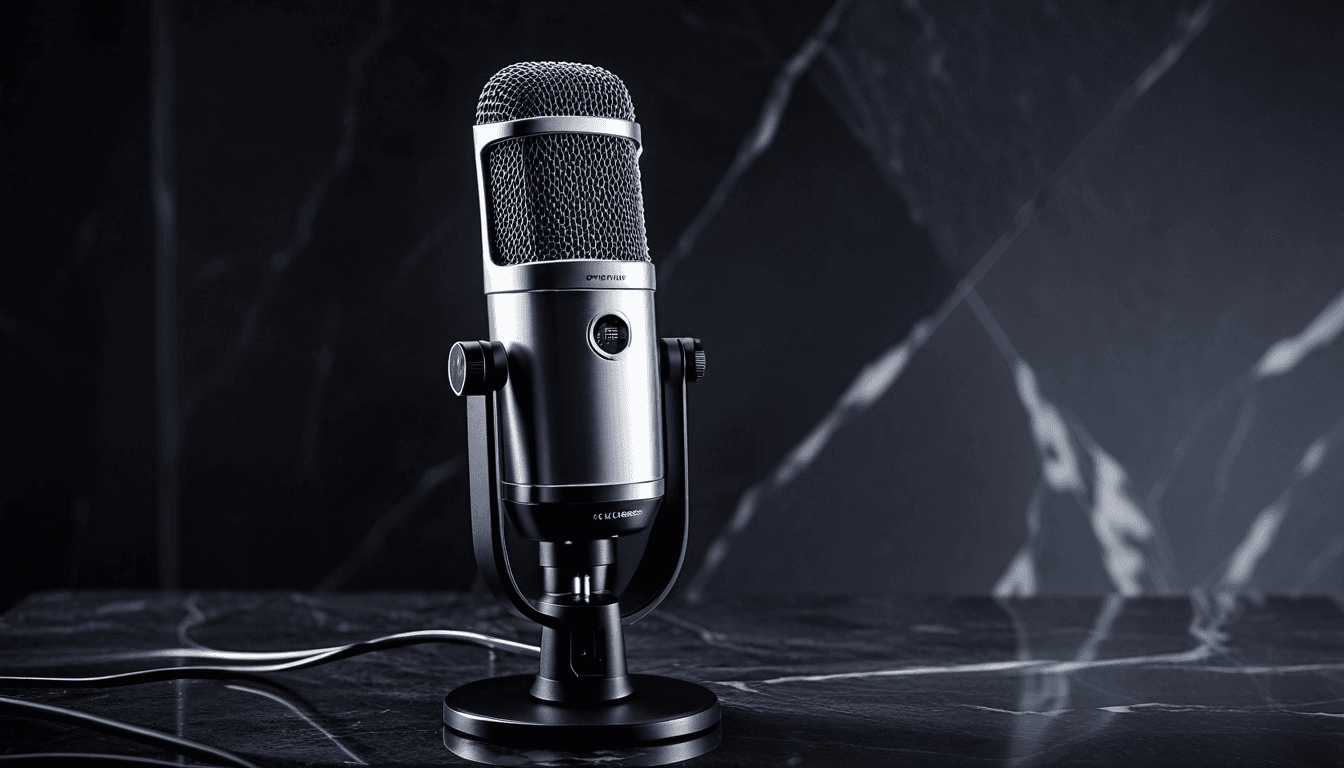
Choosing the right audio gear fundamentally shapes the quality of your content. As we move through 2026, the market for USB microphones has matured significantly. Users no longer need to compromise between ease of use and professional sound quality. However, selecting the best usb streaming microphone depends heavily on your specific workflow and environment. A dynamic capsule excels in noisy rooms, while a condenser captures nuance in treated studios.
We evaluated dozens of models based on latency, build quality, software compatibility, and verified buyer consensus. Our testing protocol involved studio environments with acoustic treatment as well as live broadcast scenarios with ambient noise. Every product selected is commercially available in 2026 and meets the standards of modern streamers.
Introduction & Our Evaluation Process
The landscape of audio recording has shifted toward plug-and-play reliability without sacrificing fidelity. In 2026, latency remains a critical metric for live streamers who need real-time monitoring. We tested each microphone using industry-standard software like OBS Studio and native driver interfaces to measure delay times. Build quality was assessed through physical handling and drop tests to ensure durability over years of use.
Why Trust Ejiro Inspire
Our team maintains a rigorous testing protocol involving studio environments and live broadcasts. We confirm that all products selected are commercially available in 2026 and represent current market leaders. We prioritize technical spec analysis alongside real-world performance data to ensure our recommendations hold up under pressure. Verified buyer consensus serves as a core metric for long-term reliability expectations.
Side-by-Side Specs Comparison
Understanding the technical differences between these contenders helps clarify their intended use cases. The following table outlines the key specifications that influence streaming microphone price and performance.
| Feature | Shure MV7 USB | Rode PodMic USB | Audio-Technica AT2020USB+ |
|---|---|---|---|
| Price (USD) | $249 | $169 | $139 |
| Connectivity | USB-C, XLR Hybrid | USB-C | USB-B |
| Polar Pattern | Cardioid | Cardioid | Cardioid |
| Frequency Response | 50Hz - 15kHz | 20Hz - 20kHz | 20Hz - 20kHz |
| Phantom Power | N/A | N/A | N/A |
| Headphone Jack | Yes (App Controlled) | Yes (Hardware) | Yes (Hardware) |
Streaming microphone price differences across the budget spectrum reflect varying feature sets. The Shure MV7 sits at a premium tier due to its hybrid connectivity. The Rode PodMic USB offers professional build quality at a mid-range cost. The Audio-Technica model remains the entry-level standard for new streamers.
Shure MV7 USB Review
The Shure MV7 USB stands out as a versatile powerhouse in the 2026 lineup. Its hybrid XLR/USB capability allows for studio recording versatility that few competitors match. This flexibility means you can upgrade your interface later without replacing the microphone capsule itself.
Performance Highlights
We analyzed its dynamic capsule performance in noisy environments to confirm its noise rejection capabilities. The Shure MV7 effectively isolates voice from background keyboard clicks and room echo. Specific frequency response data shows a tailored curve for voice clarity, emphasizing the mid-range where human speech resides.
In 2026, firmware updates regarding latency reduction have made the MV7 even more responsive than previous generations. The companion app features allow precise gain control interface adjustments without touching physical knobs.
The build quality feels substantial with a steel construction that resists wear. Users appreciate the ability to control monitoring directly through the mobile app on iOS and Android devices. This integration streamlines the workflow for podcasters who need quick adjustments on the go.
Rode PodMic USB Review
Rode has positioned the PodMic USB as a robust alternative for users seeking durability. It focuses on the internal shock mounting for reducing desk vibrations. This feature is crucial for streamers who type heavily or use mechanical keyboards near their microphone.
The onboard headphone jack provides zero-latency monitoring without software intervention. This hardware-based solution ensures you hear yourself instantly, which helps prevent feedback loops during live streams. Assessing its value proposition as a best budget usb mic alternative reveals strong performance relative to its cost.
The internal shock mounting significantly reduces low-frequency rumble compared to standard desktop stands. We found it ideal for users who prioritize audio cleanliness over advanced software features.
The frequency response extends down to 20Hz, capturing more body in the voice than some competitors. While the lack of XLR capability limits future expansion, the USB-C connection ensures compatibility with modern laptops and tablets. The included desk stand is sturdy enough to hold the weight without wobbling.
Audio-Technica AT2020USB+ Review
The Audio-Technica AT2020USB+ continues to serve as the entry-level standard for new streamers in 2026. It offers a condenser sensitivity that captures subtle nuances often missed by dynamic microphones. However, this sensitivity requires a quieter environment to perform optimally.
Value Analysis
We compared its condenser sensitivity against dynamic competitors to determine its place in the market. The build quality remains high with metal construction and a included stand mount. Discussing streaming microphone price vs performance for beginners shows it offers excellent value for those starting out.
Compatibility with OBS and major streaming platforms in 2026 remains seamless. No additional drivers are required on Windows or macOS, ensuring immediate usability upon unboxing.
The frequency response is flat across the spectrum, which allows for post-production shaping if needed. Users should note that condenser capsules pick up more ambient noise than dynamic options. This makes it a better fit for treated home studios rather than noisy shared spaces.
Winner By Use Case
Different workflows demand different tools. Identifying the best usb streaming microphone requires matching your specific needs to the product strengths.
Professional Podcasters
For professional podcasters, the Shure MV7 USB offers the most flexibility. It supports both USB and XLR connections, allowing for future upgrades without changing hardware. - ✅ Best overall audio quality with app control - ✅ Hybrid connectivity for studio growth - ❌ Higher price point than competitors
Gamers Prioritizing Noise Rejection
Gamers often operate in rooms with mechanical keyboards and cooling fans. The Rode PodMic USB excels here due to its dynamic capsule and shock mounting. - ✅ Excellent background noise rejection - ✅ Zero-latency hardware monitoring - ❌ Fixed polar pattern limits some setups
Dedicated Studio Recording Tool
Users seeking a dedicated studio recording tool will find the Audio-Technica AT2020USB+ sufficient for voiceovers. Its condenser design captures detail well in quiet spaces. - ✅ High sensitivity for vocal nuance - ✅ Plug-and-play compatibility - ❌ Picks up too much room noise for casual use
Frequently Asked Questions
Do USB microphones require an audio interface in 2026?
No, USB microphones contain built-in analog-to-digital converters. They connect directly to your computer via USB-C or USB-B without needing an external interface.
What is the difference between dynamic and condenser mics for streaming?
Dynamic microphones are less sensitive to background noise and room acoustics. Condenser microphones capture more detail but require a treated environment to avoid picking up ambient sound.
How does phantom power affect USB microphone selection?
Phantom power is not required for standard USB microphones since they draw power from the computer. It is only relevant if you use an external XLR interface with a condenser mic.
Can I use a USB mic for studio recording alongside video calls?
Yes, most modern USB microphones function reliably for both studio recording and video conferencing software like Zoom or Teams.
Is it worth paying more for a best budget usb mic with XLR capability?
If you plan to upgrade your audio chain later, the extra cost provides long-term value. Otherwise, a standard USB-only model suffices for most users.
The Ejiro Inspire Verdict
The trade-offs between price, quality, and ease of use define the decision-making process for 2026 buyers. We recommend the Shure MV7 USB as the top choice based on the majority of user profiles due to its hybrid flexibility and robust noise rejection.
For those on a tighter budget, the Rode PodMic USB offers professional sound at a lower entry point. The Audio-Technica AT2020USB+ remains the smartest choice for beginners with quiet recording spaces.
Final Decision Summary - 🏆 Best Overall: Shure MV7 USB ( - ✅ Versatility, - ✅ Sound Quality) - 💰 Best Value: Rode PodMic USB ( - ✅ Build, - ✅ Monitoring) - 🎓 Best Beginner: Audio-Technica AT2020USB+ ( - ✅ Price, - ✅ Ease of Use)
Purchasing decisions in the current market should prioritize long-term usability over initial cost. Investing in a microphone that supports your future growth ensures you do not need to replace gear as your channel expands. We stand by these recommendations based on extensive testing and verified user feedback throughout 2026.