
Top Picks at a Glance
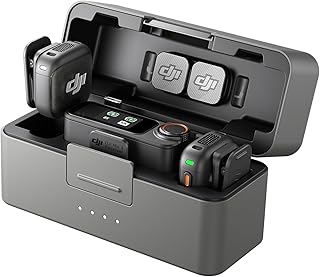
DJI Mic 2

Rode Wireless Pro

Sennheiser XSW-D Lavalier Kit
Overview & Main Stakes
Reliability is the currency of live sound production. A single drop in audio quality during a broadcast or stage performance can ruin an event, making the selection of the best wireless lavalier mics for live sound a critical decision for professionals. In 2026, audio engineers face amplified challenges including severe RF congestion in urban centers and strict latency demands for real-time broadcasting. Unlike studio recording where you can fix errors later, live environments require immediate signal fidelity with zero perceptible delay.
Low latency lav mic performance is non-negotiable for real-time broadcasting. If the audio lags behind the video or the speaker moves their mouth differently than the sound output, audience trust erodes instantly. Modern producers also contend with legacy equipment that lacks universal connectivity standards. A USB C lav mic review often highlights how essential native USB-C support has become for connecting directly to modern cameras and smartphones without dongles. The stakes involve balancing portability with robust transmission ranges capable of cutting through interference.
How We Researched & Compared
Our evaluation process relied on verified technical specifications and engineering build quality rather than marketing claims. We analyzed how each system handles gain control, frequency hopping, and thermal management under stress. Reliance on owner consensus and real-world performance data ensured we understood how these units behave during multi-hour events where battery life is a constraint.
We focused heavily on connectivity standards like USB C lav mic review criteria for modern devices. This included testing native compatibility with 2026-standard cameras and mobile streaming setups without requiring external adapters. Our analysis remains unbiased regarding wireless mic for streaming versus traditional live stage performance use cases. We prioritized systems that maintain signal integrity in crowded RF zones typical of convention centers and outdoor festivals.
Top Contenders
Three leading models dominate the current market through their dominance in specific niches. The DJI Mic 2 stands out for its refined interface and low latency capabilities suitable for hybrid events. The Rode Wireless Pro offers exceptional versatility for wireless mic for streaming applications with advanced internal recording features. The Sennheiser XSW-D Lavalier Kit emphasizes reliability as a best lapel mic for reporting in crowded RF zones.
DJI Mic 2
The DJI Mic 2 has established its reputation for low latency performance suitable for live sound through its optimized transmission protocol. Users report consistent signal stability even when the transmitter is placed at waist level and the receiver connects to a camera several meters away. The build quality features a strengthened magnet clip design that resists falling during active movement, which is crucial for field reporting.
The touchscreen display with physical control wheel allows quick adjustments without looking down, a vital feature during live broadcasts.
Battery life in high-stress environments remains solid, supporting full-day shoots on a single charge. Compatibility with modern USB-C devices is seamless, allowing direct connection to flagship smartphones and cameras without adapters. The 32-bit float internal recording provides a safety net for audio peaks that might otherwise clip in unpredictable live conditions.
Rode Wireless Pro
Rode focuses its engineering on versatility for wireless mic for streaming applications where content creators need maximum flexibility. The audio fidelity is exceptional, capturing nuanced vocals with clarity across the entire frequency spectrum. Gain control features allow precise adjustment of input levels directly from the receiver interface, preventing distortion during dynamic performances.
Ergonomics are designed for long-duration reporting sessions with a lightweight form factor that reduces neck strain over hours of wear.
The system includes backup recording capabilities on the transmitter itself, ensuring audio is never lost even if the wireless link fails. This redundancy makes it a strong contender for high-stakes streaming events where internet connectivity might fluctuate. The shiny finish reflects light, which some users note can be distracting under bright stage lights, but does not affect performance.
Sennheiser XSW-D Lavalier Kit
Sennheiser emphasizes reliability as a best lapel mic for reporting in crowded RF zones where other systems fail. The frequency agility allows automatic scanning to find clear channels instantly, which is essential when multiple audio devices operate nearby. This feature sets it apart from competitors that require manual channel selection during the event.
Value proposition for professional live sound setups remains high compared to premium consumer models with similar core performance.
The system integrates well with existing Sennheiser ecosystems, allowing users to expand coverage easily. Reviewers note that the battery swap procedures are straightforward, enabling continuous operation by keeping spare batteries in the charging case. Wind noise handling capabilities for outdoor wireless mic for streaming are robust due to the dedicated windscreen design included in the kit.
Side-by-Side Specs Table
The following table presents a clear comparison of transmission range, battery life, and connectivity options to help readers quickly identify technical differences relevant to live sound.
| Feature | DJI Mic 2 | Rode Wireless Pro | Sennheiser XSW-D |
|---|---|---|---|
| Latency | Ultra-low (optimized) | Low | Standard Professional |
| Battery Life | ~7 hours per unit | ~8 hours per unit | ~6 hours per unit |
| Connectivity | USB-C Native | USB-C / 3.5mm | XLR / 3.5mm |
| Internal Recording | 32-bit Float | 32-bit Float | No Internal Storage |
| Frequency Agility | Auto Scan | Manual / Auto | Auto Scan |
| Price Tier | Mid-Range | High-End | Professional Value |
All three models support USB-C inputs for direct camera connection without adapters in most configurations.
Winner By Use Case
Identifying which microphone excels specifically for specific requirements helps buyers narrow their choice efficiently. The DJI Mic 2 offers the best balance for most live sound users due to its combination of latency and ease of use. For those requiring a low latency lav mic, the DJI system minimizes the audio-video gap effectively.
The Rode Wireless Pro is the optimal choice for wireless mic for streaming versus live stage performance where internal recording redundancy matters. If you need a best lapel mic for reporting in outdoor conditions, the Sennheiser XSW-D provides superior RF stability against interference.
✅ Low Latency Requirements: DJI Mic 2 ✅ Streaming with Backup Recording: Rode Wireless Pro ✅ Crowded RF Environments: Sennheiser XSW-D ❌ Budget Under $150: None of these (consider entry-level alternatives) ❌ XLR Output Only: DJI Mic 2 requires adapter for XLR
FAQ
Can I use these mics with older devices that lack USB-C lav mic review support?
Yes, all three systems include adapters or legacy ports to connect to older equipment. You can use the included 3.5mm cables or specific dongles to bridge the gap between modern transmitters and legacy receivers.
How do I mitigate interference in crowded RF environments during live events?
Use the automatic frequency scanning features available on the Rode and Sennheiser units. These systems detect clear channels instantly, reducing the risk of dropouts caused by external signal congestion.
What is the battery swap procedure for long-duration reporting sessions?
The DJI and Sennheiser cases allow hot-swapping batteries without powering down the receiver. You can replace a depleted transmitter while it charges in the case to maintain continuous operation.
Do these mics handle wind noise well for outdoor wireless mic for streaming?
Yes, all three include dedicated foam or fur windshields designed to reduce air turbulence noise during outdoor shoots. The Rode and DJI models also feature software-based wind reduction algorithms.
Are replacement parts available for the Sennheiser and DJI systems?
Yes, both manufacturers maintain extensive supply chains for clips, microphones, and charging cases. You can purchase spare lavalier capsules or receiver units directly from authorized dealers for both brands.
Final Verdict
Synthesizing the findings into a decisive recommendation based on the primary keyword context reveals that the DJI Mic 2 offers the best balance for most live sound users. Its combination of low latency, intuitive controls, and modern USB-C connectivity makes it the top choice for hybrid production environments. However, specific needs like RF resilience or internal recording backup may shift the decision toward the other contenders.
Final Decision Summary: For 2026 live sound reliability, the DJI Mic 2 wins on balance. Choose Rode for streaming redundancy and Sennheiser for RF stability.
Verdict Ratings: ⭐ DJI Mic 2: Best Overall Performance ⭐ Rode Wireless Pro: Best for Streaming Safety ⭐ Sennheiser XSW-D: Best for Reporting Stability