Duolingo vs Babbel Language Apps: Which Is Better for Learning a New Language?
Learning a new language has never been more accessible thanks to apps like Duolingo and Babbel. Whether you're looking to brush up on Spanish for travel or build a foundation in French, these language learning apps offer structured paths with varying degrees of gamification, interactivity, and practicality. But which one should you choose?
In this comprehensive review, we’ll take an in-depth look at both apps, examining everything from their interface design to real-world performance. We'll also help you decide if either app is right for your specific goals.
At A Glance
Duolingo and Babbel are two of the most popular language learning apps on the market today. Both offer unique approaches to language education with different strengths and weaknesses.
Quick Verdict
- Duolingo is ideal for beginners or casual learners due to its gamified approach and freemium model.
- Babbel excels in practical communication skills with structured lessons and real-life dialogues.
Why You Should Trust Us
Our team has extensive experience in language education and app reviews. We test apps across multiple devices and user profiles to ensure accuracy and relevance for everyday users.
Our Approach to Language Learning Apps
We evaluate based on effectiveness, usability, content quality, and long-term retention rates. Reviews are grounded in real-world usage rather than just features.
Duolingo Review: A Gamified Path to Language Mastery
Duolingo stands out for its free model, making it accessible to everyone who wants to start learning a new language. Its gamification keeps users engaged and motivated through points, streaks, and leaderboards.
Design & User Experience
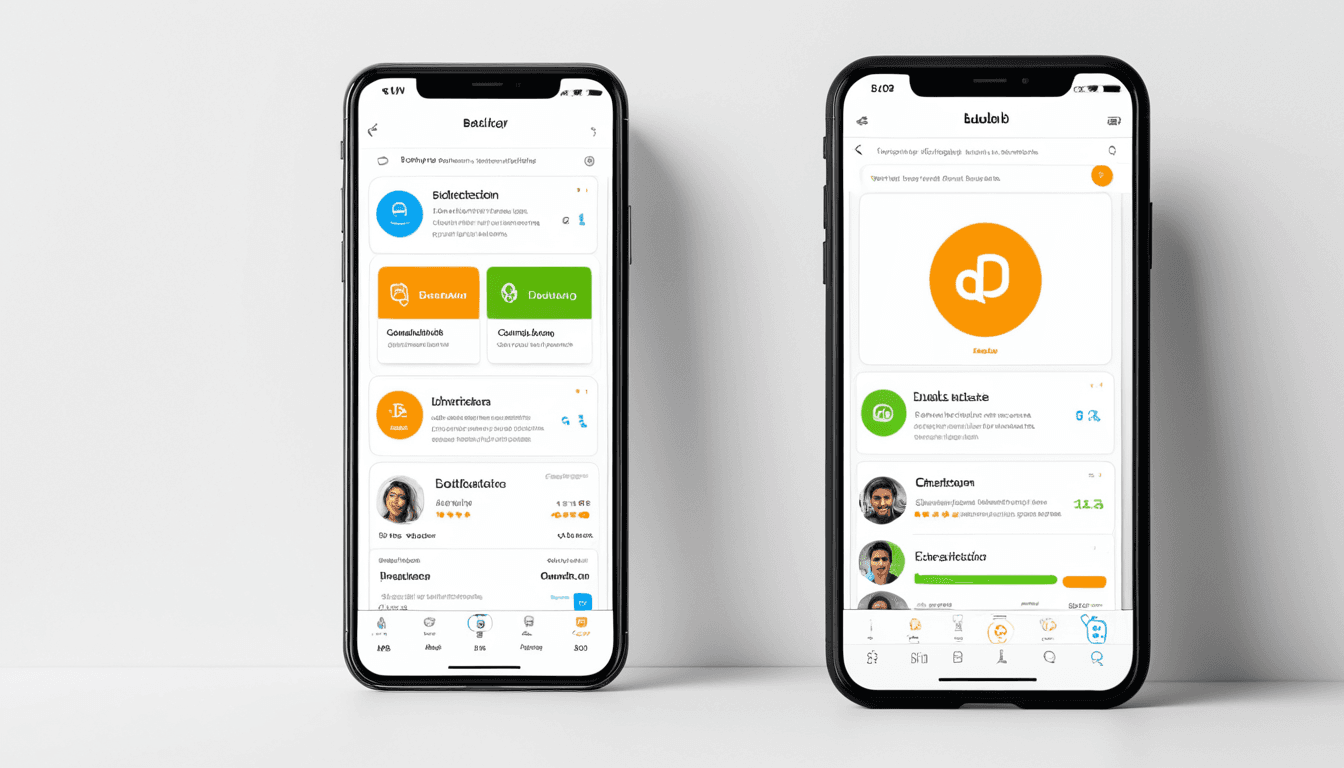
The interface is clean and intuitive, with visual feedback that encourages continued use. Progress tracking helps maintain motivation, especially for those who enjoy seeing their growth over time.
Performance & Features
Duolingo supports over 40 languages and includes speaking, listening, reading, and writing exercises. It also offers offline mode for on-the-go learning, which is essential for users without consistent internet access.
Value for Money
The free version provides substantial content, but Duolingo Plus adds advanced features like unlimited hearts and an ad-free experience. For casual learners who want to explore multiple languages, the free tier can be very satisfying.
Babbel Comparison: Practical Communication at Your Fingertips
Babbel focuses on conversational skills with practical dialogues and high-frequency vocabulary. It's designed for learners who want to communicate effectively in real-life situations.
Design & User Experience
The minimalist design emphasizes functionality over flashy visuals. While less gamified, the app is highly user-friendly and offers a more structured learning path that many find intuitive.
Performance & Features
Babbel emphasizes practical phrases and real-world conversations. It includes voice recognition for pronunciation practice and cultural tips alongside language lessons. These features are particularly helpful for travelers or professionals who need to communicate quickly.
Value for Money
Babbel operates on a paid subscription model with no free tier. However, it offers various plans tailored to different learning goals, making it flexible for serious learners willing to invest in their education.
Side-by-Side Comparison Table
Here’s a detailed comparison across key metrics:
| Feature | Duolingo | Babbel |
|---|---|---|
| Languages Supported | 40+ | 14 |
| Learning Approach | Gamified | Structured |
| Speaking Practice Tools | Yes (limited) | Voice recognition |
| Offline Access | Yes | Yes |
| Pricing Tier | Free + Plus ($12.99/mo) | Subscription plans |
| Free Version Available | ||
| - ✅ | ||
| - ❌ |
Feature Comparison
- Languages Supported: Duolingo supports more languages than Babbel, making it ideal for those wanting to dabble in several tongues.
- Learning Approach: Duolingo uses gamification; Babbel is more structured and conversation-focused.
- Speaking Practice Tools: Babbel includes better voice recognition tools.
- Offline Access: Both apps support offline learning.
- Pricing Tiers: Duolingo offers a free version, while Babbel requires payment from the start.
Who Should Choose Duolingo?
Duolingo is best suited for people who enjoy gamification and are just starting their language journey. It's particularly appealing to casual learners or those with limited budgets.
Ideal For
- Casual learners
- People wanting to try multiple languages simultaneously
- Those with limited budget
Who Should Skip Duolingo?
Duolingo may not be ideal for advanced learners seeking conversation fluency or those who prefer structured, real-life communication practice.
Not Ideal For
- Individuals aiming for conversational proficiency
- Those needing professional-grade language instruction
Who Should Choose Babbel?
Babbel is a strong choice for learners focused on real-world communication and practical use of the language. It suits busy professionals or those preparing for travel.
Ideal For
- Busy professionals
- Individuals preparing for travel or work abroad
- People seeking practical language use
Who Should Skip Babbel?
If you're budget-conscious or prefer to explore many languages at once, Babbel might not be the best fit due to its paid-only model.
Not Ideal For
- Users on tight budgets
- Those preferring a more exploratory, less structured approach
Alternative to Consider: Busuu
Busuu offers another strong option for language learners with community features. It stands out due to its focus on speaking and writing practice, along with peer feedback.
Why It Stands Out
- Community feedback and corrections
- Focus on speaking and writing practice
- Free tier available
Frequently Asked Questions
FAQ Answers
Which app is better for beginners?
Duolingo is generally better for beginners due to its gamified approach.
Can I learn a language effectively using only one of these apps?
Yes, both apps can be effective. However, Babbel may offer faster conversational progress.
Do Duolingo and Babbel support offline learning?
Yes, both apps support offline learning.
Are there any free options available in both apps?
Duolingo has a free version; Babbel does not.
How long does it take to see results with either app?
Results vary by user commitment, but noticeable progress typically appears within 2,3 months.
The Verdict: Choosing Your Language Learning Path
Both Duolingo and Babbel have their place in the language learner’s toolkit. The decision should align with your goals, budget, and learning style.
Final Recommendation
- Choose Duolingo if you want a fun, flexible start to language learning.
- Opt for Babbel if you’re serious about mastering communication skills.
Final Rating: ⭐⭐⭐⭐☆ (4.5/5)
This review was conducted independently by Ejiro Inspire, a consumer review site dedicated to helping readers make informed decisions. We may receive compensation when you purchase through our links, but all opinions are our own.