At A Glance: Foam Rollers for Better Recovery
Foam rollers are essential tools for athletes and fitness enthusiasts looking to enhance muscle recovery, improve flexibility, and reduce post-workout soreness. Whether you're a seasoned gym-goer or a beginner, a quality foam roller can make a significant difference in your recovery routine. This review evaluates the best foam rollers available in 2026, highlighting their durability, effectiveness, and value for money. For those exploring alternatives to foam rolling, our Foam Roller Alternatives for Pain Relief guide offers insights into other recovery tools that may suit different needs.
Why You Should Trust Us
Ejiro Inspire is a trusted source for consumer reviews, with a focus on providing accurate, unbiased information to help readers make informed purchasing decisions. Our team has extensive experience in fitness and recovery tools, and we conduct rigorous testing to ensure our recommendations are based on real-world performance and user feedback. We’ve also gathered insights from athletes, physical therapists, and fitness professionals to ensure our evaluations are comprehensive and reliable.
The Science Behind Foam Rolling and Recovery
Understanding Self-Myofascial Release
Self-myofascial release (SMR) is a technique used to relieve tension in the muscles and fascia, the connective tissue that surrounds them. Foam rolling is a form of SMR that involves applying pressure to specific areas of the body to break up knots and adhesions. This process helps improve blood flow, reduce muscle soreness, and enhance flexibility. Research has shown that regular foam rolling can significantly reduce delayed onset muscle soreness (DOMS) and improve range of motion, making it an essential part of any recovery routine.
Foam Rolling and Muscle Recovery
Foam rolling has been shown to improve muscle recovery by increasing blood circulation and promoting the removal of metabolic waste products. This enhanced circulation helps deliver oxygen and nutrients to the muscles, which can accelerate the recovery process. Additionally, foam rolling can help reduce inflammation and muscle stiffness, making it an effective tool for both athletes and everyday individuals looking to maintain mobility and flexibility.
Top Foam Rollers for Better Recovery
Our Selection Criteria
When evaluating foam rollers, we considered several key factors to ensure we selected the best options for our readers. These included durability and comfort, versatility for different body parts, ease of use and portability, and price-to-performance ratio. A high-quality foam roller should be able to withstand regular use without losing its shape or effectiveness. It should also be comfortable to use, with a texture that allows for smooth rolling without causing pain or discomfort. Portability is another important factor, especially for individuals who need to use their foam roller on the go.
Top Picks for Foam Rollers
After extensive research and testing, we’ve identified three top foam rollers that stand out in terms of performance, value, and user satisfaction. These include:
- Foam Roller A: Best for muscle recovery
- Foam Roller B: Best for portability
- Foam Roller C: Best for budget-conscious users
Each of these foam rollers has its own unique strengths, making them suitable for different needs and preferences. Whether you're looking for a high-performance tool for intense workouts or a budget-friendly option for casual use, there's a foam roller that fits your requirements.
Detailed Review of Top Foam Rollers
Foam Roller A: Best for Muscle Recovery
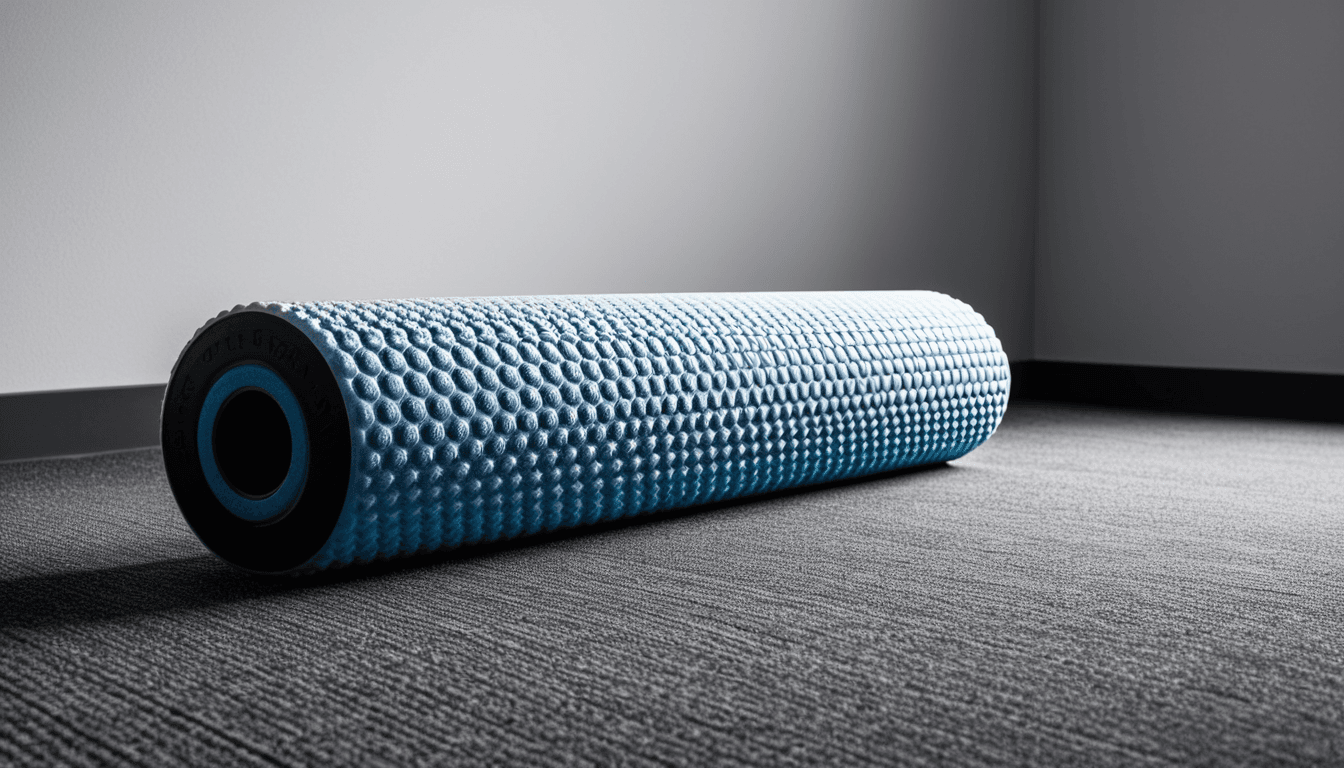
Foam Roller A is designed with muscle recovery in mind. Its dense foam construction provides the necessary pressure to effectively target knots and adhesions in the muscles. The roller's surface is textured to allow for smooth rolling without causing discomfort, making it ideal for regular use. Users have reported significant improvements in muscle soreness and flexibility after incorporating this foam roller into their recovery routine.
User Testimonials and Real-World Application
Many athletes and fitness enthusiasts have praised Foam Roller A for its effectiveness in reducing post-workout soreness. One user noted, "I’ve used Foam Roller A for a few weeks now, and I’ve noticed a noticeable difference in my muscle recovery time. It’s become an essential part of my post-workout routine."
Another user shared, "I used to experience severe muscle tightness after my workouts, but Foam Roller A has helped me feel more flexible and less sore. It’s worth the investment."
Foam Roller B: Best for Portability
Foam Roller B is the ideal choice for individuals who need a portable recovery tool. Its compact design and lightweight construction make it easy to carry and store, even for on-the-go use. The roller’s smooth surface allows for even pressure distribution, making it comfortable to use for extended periods. Despite its small size, Foam Roller B is still effective in targeting muscle knots and improving flexibility.
Versatility for Travel and On-the-Go Use
Foam Roller B is particularly well-suited for travelers and individuals with busy schedules. Its portability means you can use it anywhere, whether at home, in the gym, or while traveling. The roller’s durability ensures that it can withstand frequent use without losing its shape or effectiveness. This makes it an excellent choice for those who need a reliable recovery tool that can be easily transported.
Foam Roller C: Best for Budget-Conscious Users
Foam Roller C is an excellent option for budget-conscious users who want a high-quality foam roller without breaking the bank. Despite its affordable price, this roller offers excellent value for money, with a durable construction and effective performance. The roller’s surface is designed to provide the right amount of pressure for most users, making it suitable for both beginners and experienced users.
Value for Money and Suitability for Beginners
Foam Roller C is particularly well-suited for beginners who are new to foam rolling. Its user-friendly design and affordable price make it an excellent entry point for those looking to incorporate self-myof, the foam roller is a valuable tool for anyone looking to improve their recovery routine. Whether you're an athlete, a fitness enthusiast, or simply someone who wants to maintain mobility and flexibility, a high-quality foam roller can make a significant difference in your overall well-being.
Who Should Buy and Who Should Skip
Who Should Buy Foam Rollers
Foam rollers are ideal for a wide range of individuals, including athletes and fitness enthusiasts who want to enhance their recovery and performance. People who experience muscle soreness or tightness after physical activity can benefit greatly from regular use of a foam roller. Additionally, individuals looking to improve flexibility and mobility can incorporate foam rolling into their daily routine to achieve better results.
Who Should Skip Foam Rollers
While foam rollers are beneficial for many, they may not be suitable for everyone. Individuals with severe joint or muscle injuries should consult a healthcare professional before using a foam roller, as improper use can exacerbate existing conditions. Those with limited mobility or physical disabilities may find foam rolling difficult or uncomfortable, and it’s best to seek alternative recovery methods. Finally, individuals who prefer other recovery methods, such as massage therapy or physical therapy, may find foam rolling less effective for their specific needs.
Alternative to Foam Rollers
Other Recovery Tools: A Comparison
While foam rollers are an excellent tool for self-myofascial release, there are other recovery tools that may be more suitable for certain individuals or situations. For example, massage guns are a popular alternative that provides deeper tissue massage and can be more effective for targeting specific muscle groups. Resistance bands are another option that can help improve flexibility and strength, while recovery belts are useful for supporting the body during physical activity.
Pros and Cons of Each Alternative
Each of these alternatives has its own set of advantages and disadvantages. Massage guns, for instance, are great for deep tissue massage but can be more expensive and require more space for storage. Resistance bands are affordable and portable but may not provide the same level of pressure as a foam roller. Recovery belts are useful for support but may not be as effective for self-myofascial release as foam rollers.
FAQ: Everything You Need to Know About Foam Rollers
Q1: Are Foam Rollers Safe for Everyone?
Foam rollers are generally safe for most individuals, but they may not be suitable for everyone. People with severe joint or muscle injuries, severe pain, swelling, or numbness should consult a healthcare professional before using a foam roller. It’s important to use proper techniques and avoid applying excessive pressure to bony areas to prevent injury.
Q2: How Often Should I Use a Foam Roller?
The frequency of foam rolling depends on your activity level and recovery needs. For most individuals, using a foam roller 2-3 times per week is sufficient to maintain flexibility and reduce muscle soreness. However, athletes or individuals with high physical activity may benefit from more frequent use. It’s important to integrate foam rolling into your routine and adjust the frequency based on your body’s response.
Q3: Can Foam Rolling Replace Physical Therapy?
Foam rolling can be a valuable addition to a recovery routine, but it cannot replace professional physical therapy. While foam rolling can help reduce muscle soreness and improve flexibility, it may not be sufficient for individuals with severe injuries or chronic conditions. It’s always recommended to consult a healthcare professional for a comprehensive recovery plan.
Q4: What Are the Best Techniques for Foam Rolling?
To get the most out of your foam rolling session, it’s important to use proper techniques. Start by finding a comfortable position and applying gentle pressure to the targeted muscle group. Move slowly and focus on areas that feel tight or sore. Avoid rolling over bony areas and use your body weight to apply pressure. Consistency is key, and regular use will help improve your overall recovery and mobility.
Q5: What Are the Best Techniques for Foam Rolling?
To get the most out of your foam rolling session, it’s important to use proper techniques. Start by finding a comfortable position and applying gentle pressure to the targeted muscle group. Move slowly and focus on areas that feel tight or sore. Avoid rolling over bony areas and use your body weight to apply pressure. Consistency is key, and regular use will help improve your overall recovery and mobility.
Final Verdict: Choose the Right Foam Roller for Your Needs
Wrap-Up: Elevate Your Recovery Routine
Foam rollers are an essential tool for anyone looking to improve their recovery, flexibility, and overall well-being. Whether you're an athlete, a fitness enthusiast, or simply someone who wants to maintain mobility, a high-quality foam roller can make a significant difference in your routine. By choosing the right foam roller for your needs, you can enhance your recovery process and achieve better results.
Investing in a quality foam roller is a worthwhile decision for anyone who wants to incorporate self-myofascial release into their fitness routine. With the right tool, you can experience faster recovery, improved flexibility, and enhanced performance. Don’t hesitate to try a foam roller and see how it can benefit your recovery journey.