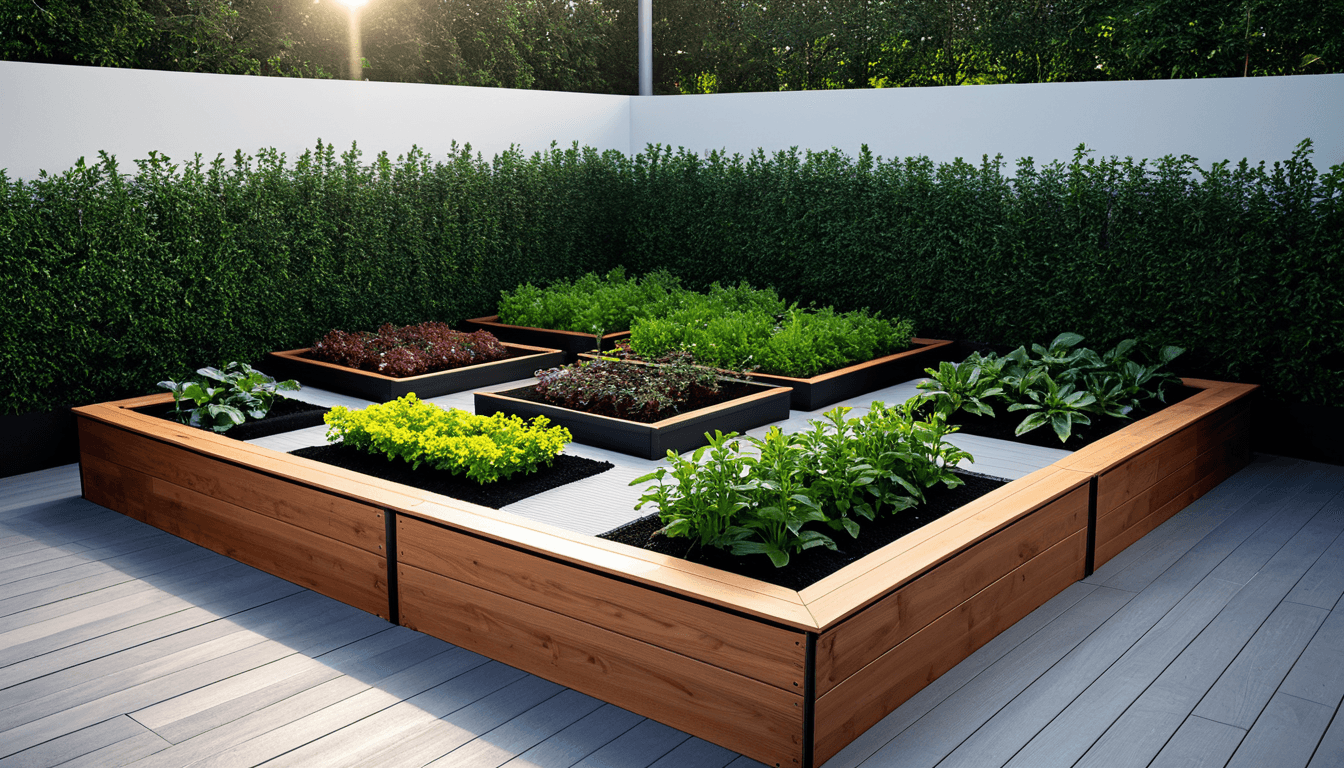
Raised Garden Beds: The Ultimate Guide to Choosing the Right Planter for Your Yard
Whether you're a seasoned gardener or just starting out, raised garden beds are one of the most effective ways to maximize your growing space and improve plant health. These elevated planting systems offer numerous benefits over traditional in-ground gardening — from better drainage to easier access and pest control.
In this complete guide, we’ll explore what raised garden beds are, their advantages and drawbacks, how to choose the right one for your needs, and which models stand out in the market today. Let’s dive in!
What Are Raised Garden Beds?
A raised garden bed is a gardening method where soil is placed above ground level, typically enclosed by wooden, stone, concrete, or other materials. These structures are designed to elevate plants and make gardening more manageable — especially for those with mobility issues or limited space.
Key Features of Raised Beds:
- Soil is elevated above the ground
- Often enclosed on all sides
- Can be built in any size or shape
- Usually filled with enriched compost
- Allow for closer planting spacing
"Raised beds create an ideal microclimate that promotes healthier growth, reduces weeds, and conserves water."
Benefits of Using Raised Garden Beds
1. Improved Drainage and Soil Control
One of the biggest advantages of raised garden beds is their ability to prevent waterlogging. Unlike traditional gardens where soil can become soggy, raised beds allow excess water to drain quickly, reducing root rot and fungal diseases.
2. Better Accessibility
Gardening from a raised bed eliminates back strain and makes it easier for people with mobility issues to tend to their plants. You can sit or stand comfortably while working without bending over too much.
3. Enhanced Soil Quality
With raised beds, you have full control over the soil composition. You can mix in compost, organic matter, and nutrients tailored to your specific plants — leading to better yields and healthier vegetables.
4. Weed Suppression
When planted closely together, vegetables form a canopy that blocks sunlight from reaching weeds below. This natural method of weed control saves time and effort compared to manual weeding.
5. Pest Protection
Raised beds make it easier to install barriers like fencing or mesh around the perimeter, keeping out pests such as rabbits, deer, and groundhogs.
Types of Raised Garden Beds
There are many options when it comes to raised garden bed materials and styles. Below is a breakdown of popular types:
| Type | Material Used | Pros | Cons |
|---|---|---|---|
| Wooden | Cedar, pine, redwood | Natural look, affordable, easy to build | May rot over time; requires maintenance |
| Composite | Recycled plastic | Durable, low maintenance | Can be more expensive |
| Stone | Concrete blocks | Long-lasting, sturdy | Heavy and difficult to move |
| Metal | Galvanized steel | Rust-resistant, long-lasting | May heat up in direct sunlight |
Pros and Cons of Different Materials
Wooden Raised Beds
Pros:
- Cost-effective
- Easy to customize and modify
- Natural aesthetic that blends well with gardens
Cons:
- Prone to rotting if not treated properly
- May warp or split over time
- Require periodic reapplication of sealant or stain
Composite Raised Beds
Pros:
- Resistant to weather and insects
- Long-lasting with minimal upkeep
- Available in multiple colors and styles
Cons:
- Higher upfront cost
- Less eco-friendly due to synthetic materials
Stone Raised Beds
Pros:
- Extremely durable
- Provides excellent insulation for root systems
- Looks elegant in any garden setting
Cons:
- Heavy and hard to relocate
- Can be expensive to install
- May not fit small spaces
Metal Raised Beds
Pros:
- Strong and long-lasting
- Rust-resistant if properly treated
- Works well for urban or container gardening
Cons:
- Heats up in the sun, potentially harming plants
- Not ideal for organic gardening due to potential metal leaching
Buying Advice: What to Look For
When choosing a raised garden bed, consider these key factors:
1. Material Durability
Choose materials that will last the season and beyond. If you're planning on using it long-term, invest in something made from rot-resistant wood or recycled plastic.
2. Size and Depth
Standard dimensions are around 4 feet wide by 8 feet long and 12 to 18 inches deep. However, smaller options like 2x4 feet are perfect for balconies or small patios.
3. Drainage Features
Ensure the bed has proper drainage holes to prevent waterlogging. Some models come with built-in drainage systems or allow easy installation of drainage pipes.
4. Ease of Assembly
If you’re not experienced with DIY projects, opt for pre-assembled beds that require minimal setup.
5. Budget Considerations
While premium options may offer more features, basic models can work just as well if they meet your core needs.
Top-Rated Raised Garden Beds in 2026
Based on expert reviews and customer feedback, here are some of the best raised garden beds available today:
1. Cedar Raised Bed Kit
- Material: Cedar lumber
- Size: 4x8 feet
- Features: Pre-cut planks, easy assembly
This kit is ideal for beginners who want a natural look and don’t mind doing some light construction.
2. Recycled Plastic Raised Bed
- Material: Recycled HDPE
- Size: 3x6 feet
- Features: No maintenance, chemical-free
Perfect for eco-conscious gardeners who want longevity without the hassle of staining or treating.
3. Concrete Block Raised Bed Set
- Material: Concrete blocks
- Size: Customizable (varies)
- Features: Modular design, very durable
Great for those who prefer a more permanent setup and want to blend the bed into their existing landscape.
How to Use Raised Garden Beds Effectively
Once you’ve chosen your raised garden bed, it’s time to start planting. Here are some tips for success:
1. Choose Plants Wisely
Select plants that thrive in close proximity and complement each other. For example, tomatoes and basil grow well together.
2. Plant According to Spacing Guidelines
Close planting not only suppresses weeds but also creates a microclimate that retains moisture and keeps soil temperature stable.
3. Water Efficiently
Since raised beds tend to dry out faster, consider installing drip irrigation or using mulch to retain moisture.
4. Rotate Crops
To avoid depleting the soil of nutrients, rotate crops seasonally and add compost regularly.
Frequently Asked Questions (FAQs)
Q: Are raised garden beds suitable for small spaces?
Yes! Raised beds can be built in any size and shape. Smaller models are ideal for balconies or tiny yards.
Q: How deep should a raised bed be?
A depth of 12 to 18 inches is recommended for most vegetables. Deeper beds (24 inches) are better for root vegetables like carrots.
Q: Do I need to use special soil in raised beds?
Not necessarily, but using high-quality compost and well-draining soil will give your plants the best chance at success.
Q: Can I make my own raised garden bed?
Absolutely! Many DIY kits are available online or you can build one yourself using basic tools.
Q: What are the most common materials used for raised garden beds?
Common materials include cedar, composite (plastic), concrete blocks, and metal.
Conclusion
Raised garden beds are a powerful tool in modern gardening — offering improved soil control, better accessibility, and more efficient use of space. Whether you're looking to grow vegetables, herbs, or flowers, there’s a raised bed solution that fits your needs and budget.
By choosing the right material, size, and design for your garden, you can enjoy healthier plants, higher yields, and less back strain. With so many options available today — from DIY kits to pre-assembled models — getting started has never been easier.
So why not take the plunge into raised bed gardening? Start planning your next outdoor project with confidence, knowing that you’ve got all the information you need to make an informed decision.