Top 5 Sleep Trackers for Better Rest in 2024: From Budget to Premium Options
Are you struggling with poor sleep quality and want to understand what's happening during your nightly rest? Sleep trackers have become increasingly popular as people seek to optimize their health and wellness. In 2024, the market offers an impressive range of sleep tracking devices, from budget-friendly options to premium wearable technology.
Whether you're looking for a wearable sleep monitor, a bedside sleep tracker, or a comprehensive sleep tracking device, this guide will help you make an informed decision. We've researched and reviewed the top 5 sleep trackers available in 2024, analyzing their features, accuracy, pros, cons, and value for money.
What to Look for in a Sleep Tracker
Before diving into our reviews, it's important to understand what to look for in a quality sleep tracker:
- Sleep Stage Detection: The ability to track light, deep, and REM sleep stages
- Heart Rate Monitoring: For comprehensive health insights
- Sleep Duration Accuracy: Reliable tracking of total sleep time
- Comfort and Wearability: Especially important for wearable devices
- Battery Life: Long-lasting performance without frequent charging
- Data Analysis: User-friendly apps with actionable insights
- Price Point: Balance between features and cost
1. Oura Ring 3 - Premium Wearable Sleep Tracker
The Oura Ring 3 stands as one of the most advanced sleep tracking devices available in 2024. This sleek, minimalist ring combines cutting-edge technology with elegant design to provide comprehensive sleep insights.
Key Features
- Continuous heart rate monitoring
- Sleep stage detection (light, deep, REM)
- Temperature tracking
- Recovery score calculation
- Daily activity and readiness metrics
- Smart wake-up feature
- 30-day battery life
- Water resistant up to 100 meters
Pros and Cons
Pros:
- Exceptional accuracy in sleep stage detection
- Comprehensive health data including temperature and recovery metrics
- Minimalist design that's comfortable for all-night wear
- Long battery life of up to 30 days
- Advanced algorithm for personalized insights
- Water resistant for swimming and showering
Cons:
- Premium price point ($299)
- Limited third-party app integration
- Small screen (no display on the ring itself)
- May be too minimalistic for users wanting more visual feedback
Performance Analysis
The Oura Ring 3 excels in sleep tracking accuracy, particularly with its advanced algorithms that can detect subtle changes in sleep patterns. The ring's temperature sensor provides unique insights into how your body responds to different sleep conditions.
Buying Advice
The Oura Ring 3 is ideal for users who want comprehensive health monitoring and are willing to invest in premium technology. It's particularly beneficial for athletes or individuals with specific health goals who need detailed recovery data.
2. Fitbit Sense 2 - Budget-Friendly Wearable Option
The Fitbit Sense 2 offers an excellent balance of features and affordability, making it a great option for budget-conscious consumers seeking quality sleep tracking.
Key Features
- Sleep score and sleep stages
- Heart rate monitoring
- EDA (electrodermal activity) sensor
- Stress management tools
- Built-in GPS
- 6+ day battery life
- Water resistant up to 50 meters
Pros and Cons
Pros:
- Affordable price point compared to premium competitors
- Comprehensive health metrics including stress tracking
- Good sleep stage accuracy for a wearable device
- Built-in GPS for outdoor activities
- Long battery life of 6+ days
- Water resistant for various activities
Cons:
- Smaller screen compared to competitors
- Limited smart features compared to smartphones
- Sleep tracking accuracy may lag behind premium devices
- No temperature monitoring capability
Performance Analysis
The Fitbit Sense 2 provides solid sleep tracking capabilities at a fraction of the cost of premium options. While it may not match the advanced algorithms of oura or Garmin, it offers sufficient accuracy for most users.
Buying Advice
This device is perfect for users who want to track their sleep patterns without breaking the bank. It's particularly suitable for those already invested in the Fitbit ecosystem and looking for a versatile health tracker.
3. Withings Sleep Mat - Bedside Sleep Tracker
The Withings Sleep Mat represents a different approach to sleep tracking, using a smart mat that sits under your mattress to monitor your sleep without requiring any wearables.
Key Features
- Sleep stage detection (light, deep, REM)
- Snoring detection and alerts
- Heart rate monitoring
- Breathing patterns analysis
- No need for wearable devices
- Smartphone app integration
- Easy setup and use
Pros and Cons
Pros:
- No wearable required - sleeps naturally without interference
- Non-intrusive sleep tracking experience
- Affordable price point ($199)
- Smart alerts for snoring and breathing issues
- Easy setup with simple smartphone app
- Good accuracy for sleep stage detection
Cons:
- Requires mattress placement - not portable
- Limited health metrics compared to wearable options
- No temperature monitoring capability
- May interfere with some sleep positions
Performance Analysis
The Withings Sleep Mat delivers impressive results in sleep tracking without requiring users to wear anything. The device accurately detects sleep stages and provides valuable insights into breathing patterns and snoring issues.
Buying Advice
This is ideal for users who prefer not to wear devices during sleep or are looking for a simple, non-intrusive solution. It's particularly beneficial for couples where one partner has sleep apnea concerns.
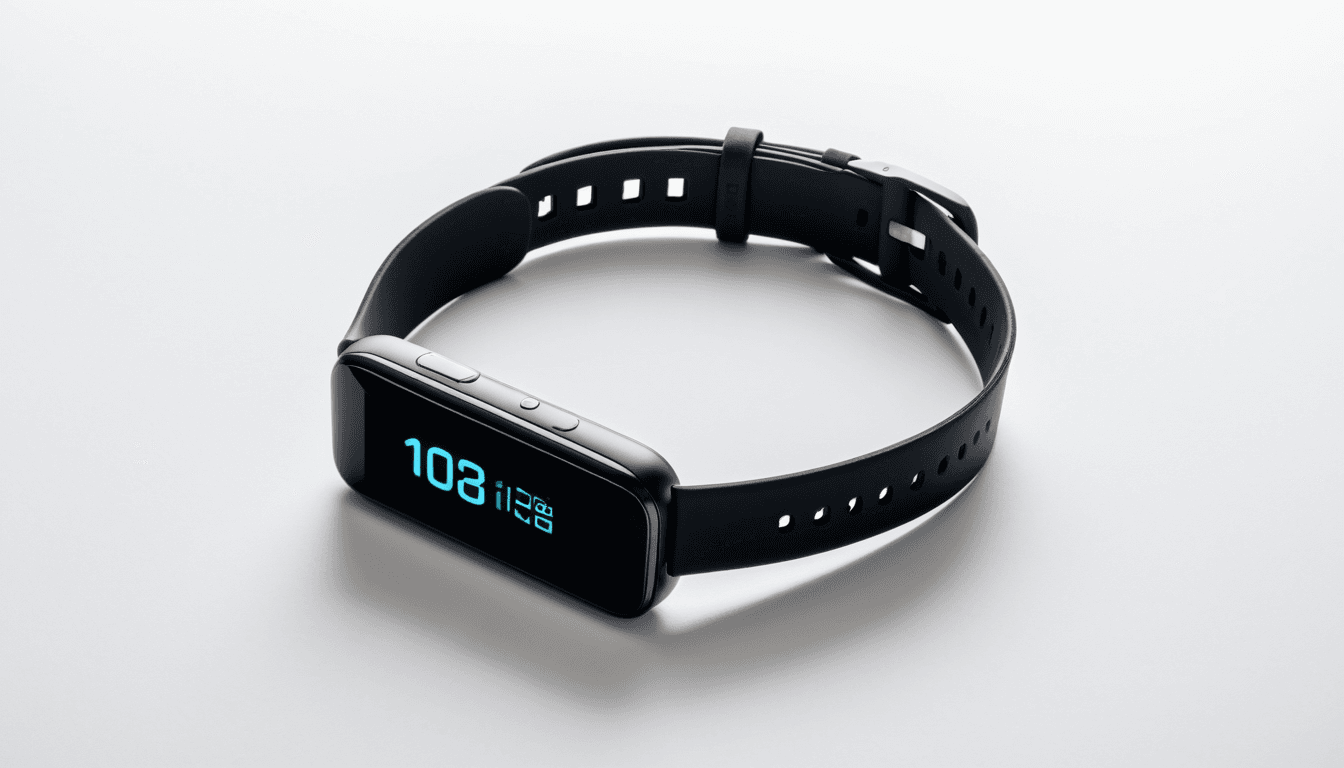
4. Garmin Venu 3 - Sports-Focused Sleep Tracker
The Garmin Venu 3 combines fitness tracking with comprehensive sleep monitoring, making it perfect for active individuals who want to optimize their recovery.
Key Features
- Sleep stage detection (light, deep, REM)
- Heart rate and heart rate variability
- Stress management tools
- Recovery score calculation
- 14-day battery life
- GPS built-in
- Water resistant up to 100 meters
Pros and Cons
Pros:
- Excellent for athletes with recovery metrics
- Long battery life of up to 14 days
- Built-in GPS for outdoor activities
- Good sleep tracking accuracy
- Water resistant for swimming and water sports
- Comprehensive health dashboard
Cons:
- Expensive compared to basic trackers
- Smaller screen on the device itself
- Limited smart features outside of fitness
- May be overkill for casual users
Performance Analysis
The Garmin Venu 3 excels in tracking sleep patterns that correlate with physical activity and recovery. Its focus on athletic performance makes it particularly valuable for athletes who want to optimize their training and recovery cycles.
Buying Advice
This device is perfect for fitness enthusiasts or athletes who want detailed sleep data integrated with their training metrics. It's less ideal for casual users seeking simple sleep tracking.
5. SleepScore Max - Smart Bedside Sleep Tracker
The SleepScore Max represents a premium bedside solution that uses advanced sensors to provide comprehensive sleep analysis without any wearables.
Key Features
- Sleep stage detection and analysis
- Heart rate and breathing monitoring
- Snoring detection and alerts
- Sleep efficiency metrics
- Smartphone app with detailed insights
- No wearable required
- 24/7 sleep monitoring capability
Pros and Cons
Pros:
- Comprehensive sleep analysis without wearables
- Advanced sensor technology for accurate tracking
- Smart alerts for breathing issues and snoring
- Detailed sleep reports with actionable insights
- Non-intrusive design
- Good accuracy in sleep stage detection
Cons:
- Higher price point ($399)
- Requires setup on the bed with sensors
- Limited health metrics compared to wearables
- May not be suitable for all mattress types
Performance Analysis
The SleepScore Max offers industry-leading accuracy in sleep tracking. Its advanced sensor technology can detect subtle changes in breathing patterns and heart rate that traditional devices might miss.
Buying Advice
This is ideal for users who want the most accurate sleep tracking without wearing anything, particularly those with sleep disorders or breathing issues that require detailed monitoring.
Comparison Table
| Device | Price | Sleep Accuracy | Battery Life | Comfort | Best For |
|---|---|---|---|---|---|
| Oura Ring 3 | $299 | Excellent | 30 days | Very Comfortable | Health enthusiasts, Athletes |
| Fitbit Sense 2 | $199 | Good | 6+ days | Comfortable | Budget-conscious users |
| Withings Sleep Mat | $199 | Good | N/A | Non-intrusive | Couples, Snoring issues |
| Garmin Venu 3 | $349 | Excellent | 14 days | Comfortable | Athletes, Fitness lovers |
| SleepScore Max | $399 | Exceptional | N/A | Non-intrusive | Sleep disorders, Detailed analysis |
Buying Guide: Choosing the Right Sleep Tracker
Consider Your Needs
Before purchasing a sleep tracker, consider these key factors:
1. Sleep Issues You Want to Address - Do you have trouble falling asleep? - Are you concerned about sleep quality? - Do you suffer from snoring or breathing issues? - Are you an athlete looking for recovery insights?
2. Comfort and Convenience - Do you prefer wearing something during sleep? - Are you comfortable with small, wearable devices? - Would you prefer a non-intrusive bedside solution?
3. Budget Considerations - What is your maximum budget for a sleep tracker? - Are you willing to invest in premium features? - Do you need additional health monitoring beyond sleep tracking?
Important Features to Evaluate
When evaluating sleep trackers, pay attention to these crucial aspects:
Sleep Stage Detection Accuracy: Look for devices that can accurately distinguish between light, deep, and REM sleep stages.
Heart Rate Monitoring: Consistent heart rate data provides valuable insights into sleep quality and recovery.
Battery Life: Longer battery life means less frequent charging and more consistent tracking.
Data Analysis Tools: Good apps with actionable insights make the data useful for improving sleep habits.
Comfort and Wearability: Especially important for wearable devices that need to be worn all night.
Frequently Asked Questions (FAQs)
Q: How accurate are sleep trackers in 2024?
Sleep trackers have significantly improved in accuracy over recent years. Most modern devices offer good accuracy for basic sleep stage detection, though premium options like the Oura Ring and SleepScore Max provide exceptional precision.
Q: Should I wear my sleep tracker all night?
Yes, for best results, wear your sleep tracker consistently throughout the night. This allows for accurate tracking of sleep stages and duration.
Q: Can sleep trackers diagnose sleep disorders?
While sleep trackers can identify potential sleep issues and patterns, they cannot diagnose medical conditions. Consult a healthcare professional for proper diagnosis.
Q: How do I know if my sleep tracker is working correctly?
Check that the device syncs properly with your smartphone app and that you're receiving consistent data. Most devices offer calibration features to ensure accuracy.
Q: Do I need a smartphone to use these trackers?
Most modern sleep trackers require a smartphone app for full functionality, though some basic features may be available offline.
Conclusion
Choosing the right sleep tracker in 2024 depends on your specific needs, budget, and preferences. Each of the top five devices reviewed offers unique advantages:
- Oura Ring 3 provides premium accuracy and comprehensive health metrics for serious health enthusiasts
- Fitbit Sense 2 offers excellent value with good features at a reasonable price point
- Withings Sleep Mat delivers non-intrusive tracking without requiring wearables
- Garmin Venu 3 excels in athletic recovery monitoring
- SleepScore Max provides the most accurate bedside tracking for detailed analysis
Regardless of which device you choose, sleep tracking can provide valuable insights into your rest patterns and help you make informed decisions about improving your sleep quality. The key is selecting a device that fits your lifestyle and provides actionable data to enhance your overall well-being.
Remember that no sleep tracker can replace proper sleep hygiene practices. Use your sleep tracker data as a guide to develop better sleep habits, maintain consistent sleep schedules, and create an optimal sleep environment for the best rest possible.