Top XLR Mic for Home Podcasters Under $150
Are you ready to step up from a USB mic but don’t want to spend hundreds on a new microphone? Budget-conscious podcasters can still enjoy professional-grade audio with the right best XLR mics for home studios. Whether you’re starting your podcasting journey or looking to upgrade your current setup, this guide highlights the best budget XLR podcast microphones for 2026.
How We Chose the Best Budget XLR Podcast Mic for 2026
We evaluated each microphone based on performance, build quality, ease of use, and value for money. Our focus was on models that deliver professional-grade audio while staying within a $150 budget. We also considered compatibility with common audio interfaces and USB/XLR hybrid options.
Our Evaluation Criteria
- Audio Quality and Frequency Response: Clear, natural voice reproduction is essential for any podcast microphone.
- Build Durability: Long-term usability matters when investing in equipment that will last.
- Compatibility: We looked at both USB and XLR setups to ensure flexibility.
- Ease of Setup: The best microphones integrate smoothly into existing workflows without technical hassle.
Quick Picks: Best Budget XLR Podcast Microphones for 2026
Here are the top budget XLR podcast mics we found that deliver excellent value and performance:
| Microphone | Best For |
|---|---|
| Rode PodMic | Beginners, warm broadcast sound |
| Samson Q2U | Hybrid setup, scaling up |
| FIFINE K688 | Mid-range clarity and articulation |
| Audio-Technica AT2020 | Studio-grade performance at a budget |
| Shure SM58 | Rugged durability, versatile setups |
Best Overall Budget XLR Mic
Rode PodMic stands out for its balanced sound and user-friendly features. Ideal for those new to XLR, it includes a built-in pop filter and tight polar pattern.
"The Rode PodMic delivers warm, natural sound that works in a variety of environments. It's perfect for podcasters who want to start strong without over-investing."
Best Hybrid Option Under $150
Samson Q2U offers flexibility between USB and XLR modes. Great for podcasters who want to start with a simple setup and scale up later.
"This hybrid mic is perfect for those transitioning from USB to full XLR setups. It provides solid audio quality and an upgrade path without a major investment."
Best Mid-Range XLR Mic
FIFINE K688 delivers more clarity and articulation than typical budget options. Suitable for higher voice ranges and polished podcasting.
"If you're looking to improve your sound quality without a large investment, the FIFINE K688 gives you more detail and versatility than other budget mics."
Detailed Reviews of Top Budget XLR Podcast Mics
Rode PodMic Review
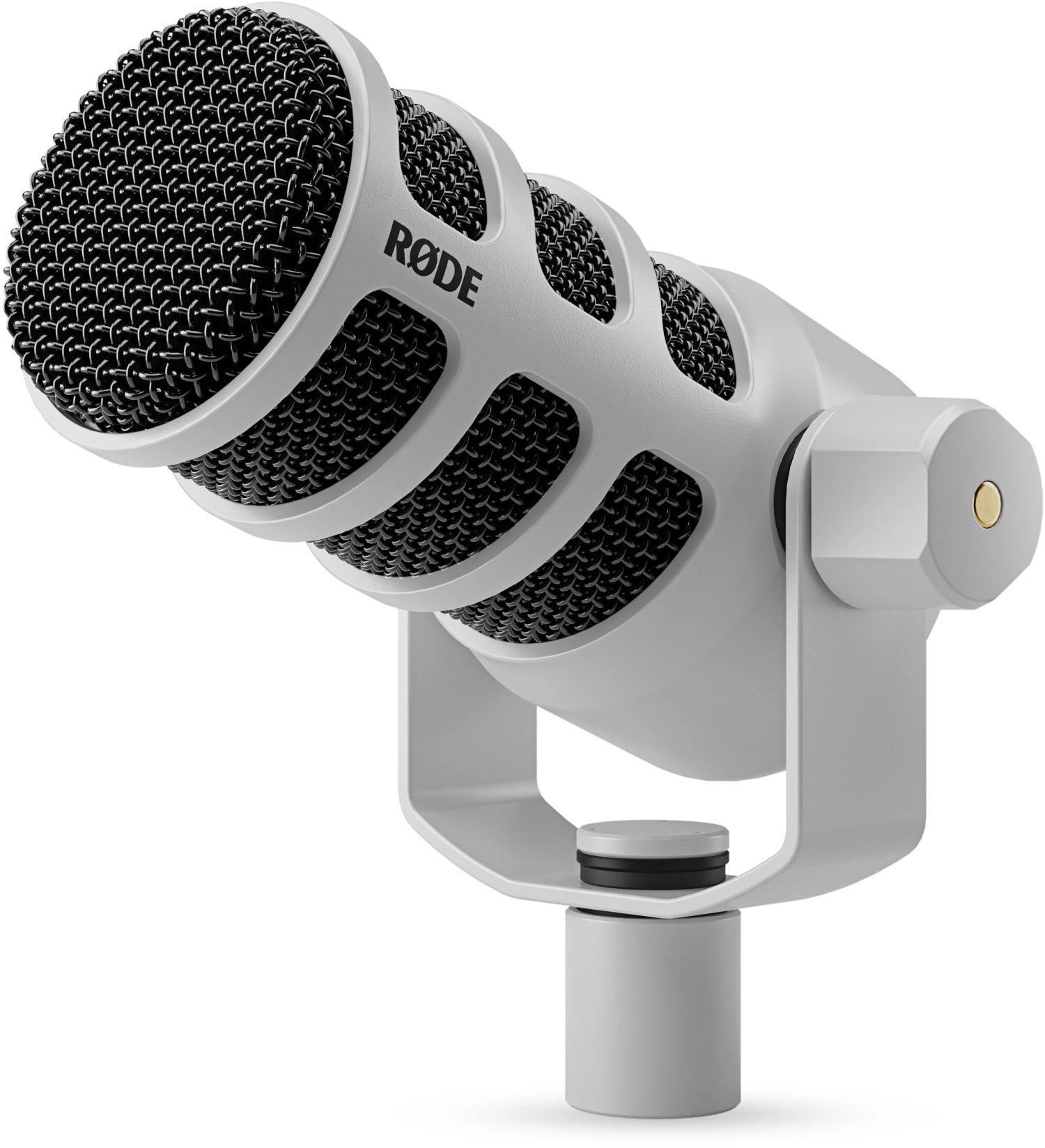
- Warm, natural sound with excellent handling of background noise
- Built-in pop filter and cardioid polar pattern make it beginner-friendly
- Slightly higher price point but delivers exceptional value for its category
"The PodMic is the most complete package in its price range for podcasters ready to move into XLR."
Samson Q2U Review
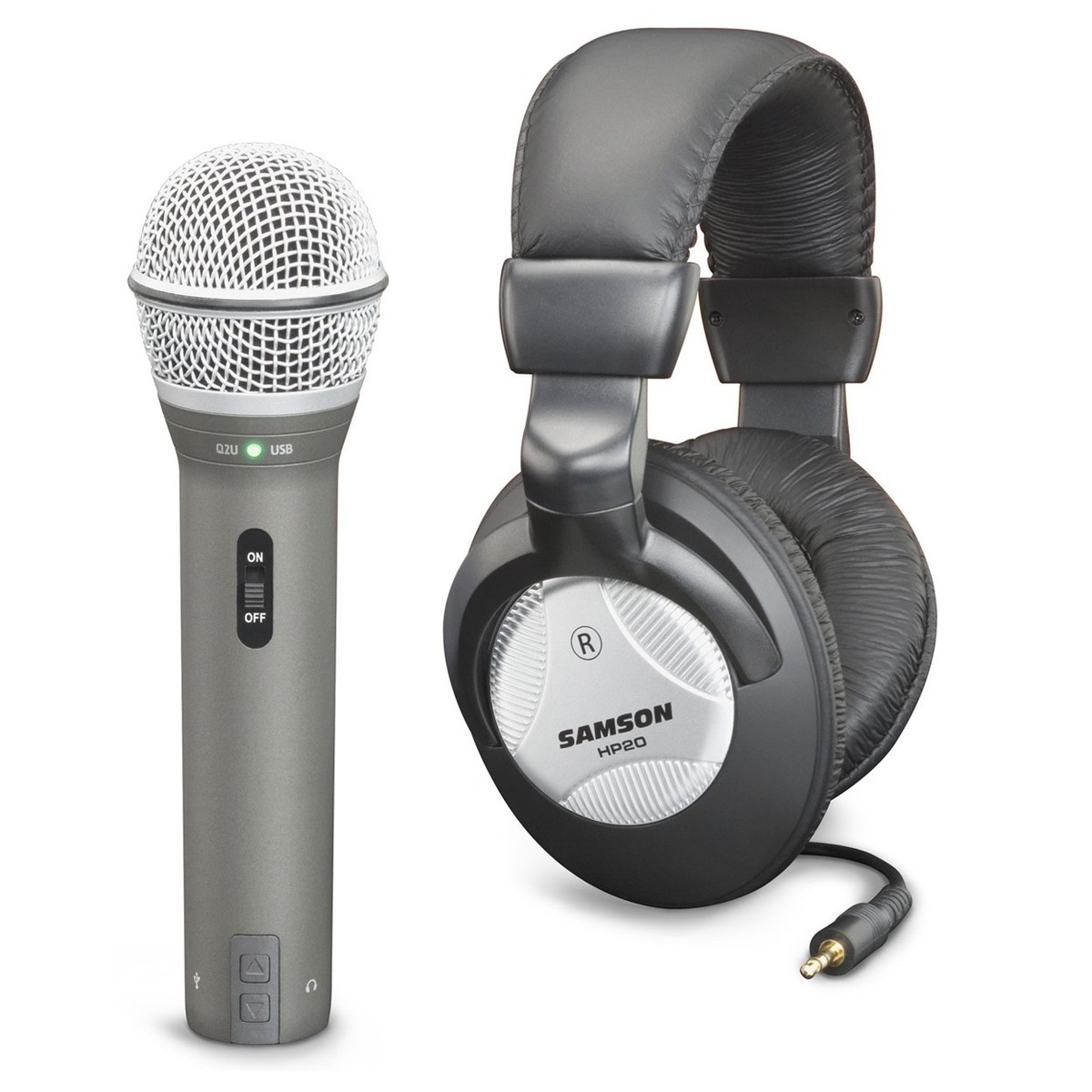
- Dual output (USB/XLR) makes it perfect for transitioning from USB to XLR
- Solid construction and consistent performance across both modes
- Ideal for podcasters who want flexibility without a major upfront investment
"This hybrid mic offers great versatility and is ideal for those planning to scale up their setup later."
FIFINE K688 Review
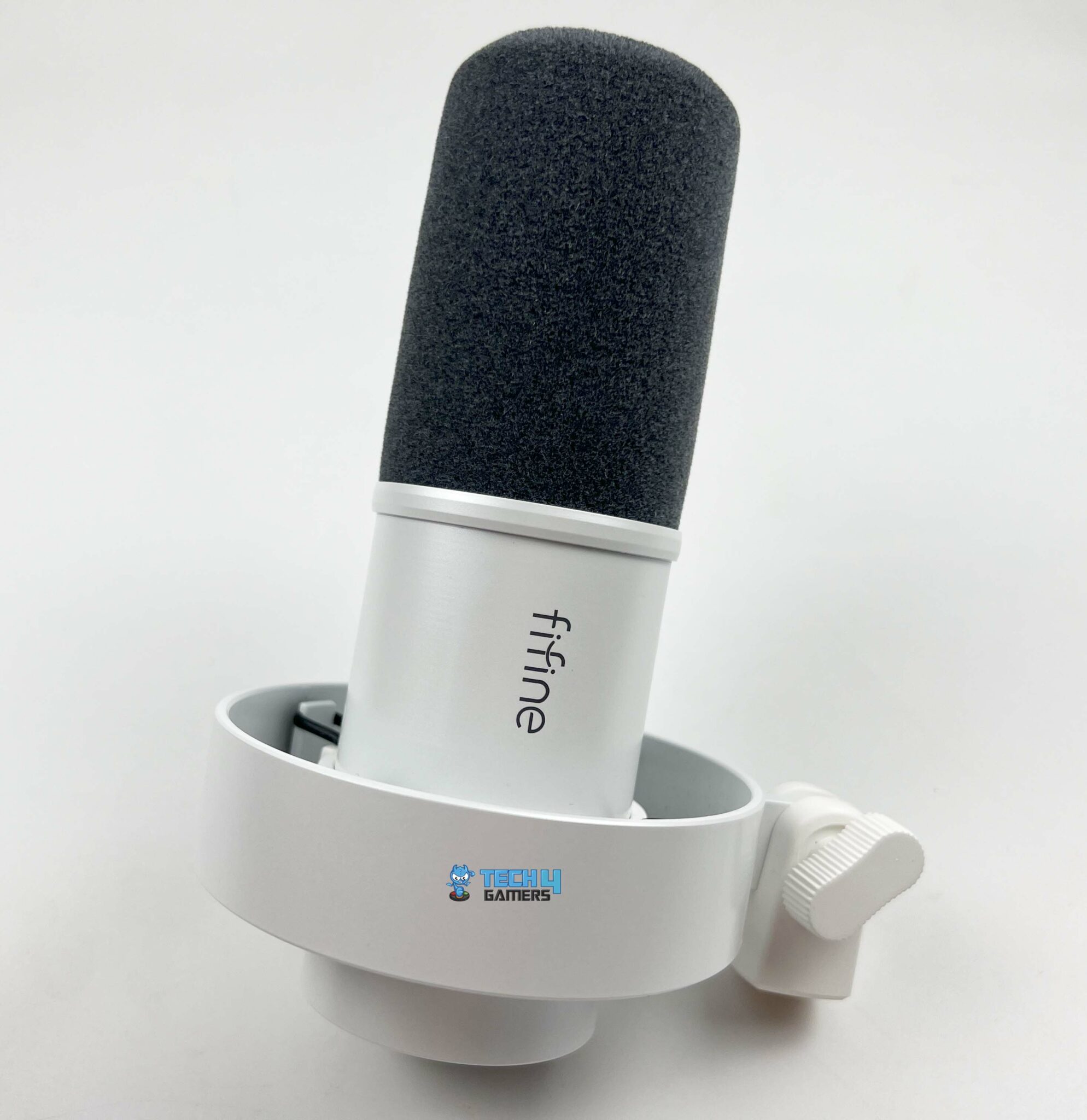
- More articulate and detailed sound compared to other budget mics
- Good for higher voices or those wanting crisp, clean audio
- Includes a stand and windscreen for immediate setup
"The FIFINE K688 is a solid choice if you want more clarity and don’t mind a slightly more complex setup."
Audio-Technica AT2020 Review

- Studio-quality performance at an entry-level price point
- Excellent for those wanting to move into more serious podcasting
- Slightly more complex setup but offers great flexibility
"The AT2020 is a great option for podcasters who want studio-grade performance without the premium cost."
Shure SM58 Review
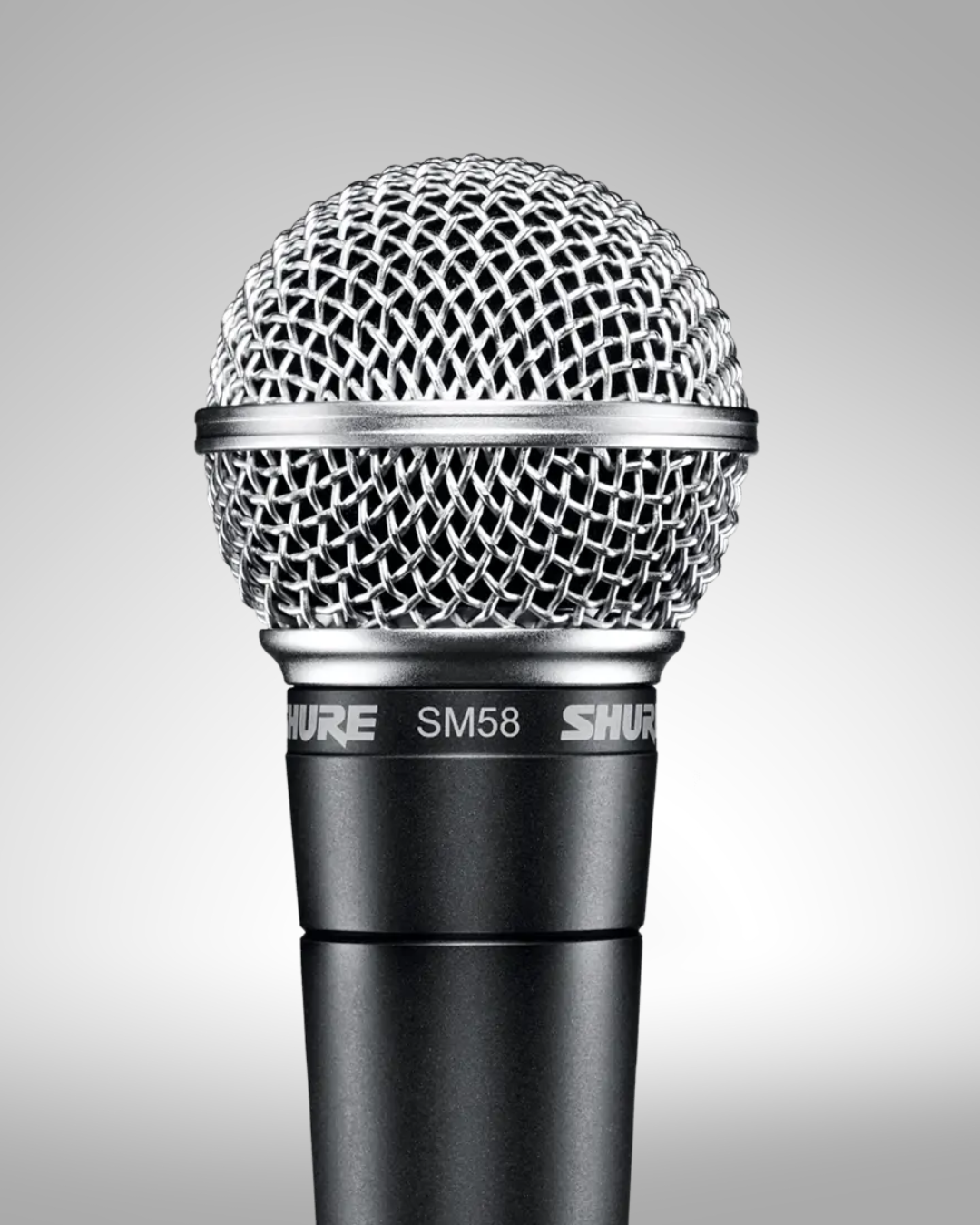
- Timeless, rugged design that’s built to last
- Excellent for dynamic voice work and live podcasting
- Works well with any interface and is widely supported
"The SM58 remains a go-to choice for podcasters who need durability and versatility in their microphone."
Comparison Table: Best Budget XLR Podcast Mics Under $150
| Microphone | Polar Pattern | Frequency Response | Compatibility | Included Accessories |
|---|---|---|---|---|
| Rode PodMic | Cardioid | 50 Hz - 15 kHz | XLR only | Pop filter, stand |
| Samson Q2U | Cardioid | 20 Hz - 20 kHz | USB & XLR | Stand, windscreen |
| FIFINE K688 | Cardioid | 50 Hz - 16 kHz | USB & XLR | Stand, windscreen |
| Audio-Technica AT2020 | Cardioid | 20 Hz - 20 kHz | XLR only | None |
| Shure SM58 | Dynamic | 50 Hz - 15 kHz | XLR & USB (with adapter) | Stand, windscreen |
Feature Comparison Across Models
- Polar Pattern: Cardioid vs Omni vs Dynamic
- Frequency Response Range: Voice clarity and detail
- Compatibility with USB and XLR Interfaces: Flexibility for setup options
- Included Accessories: Pop filter, stand, windscreen for immediate usability
Who Should Buy vs. Who Should Skip These Budget XLR Mics
Best For Beginners
Rode PodMic and Samson Q2U are ideal for newcomers to XLR. They offer ease of use, clear sound, and upgrade paths.
"Beginners will appreciate the Rode PodMic’s internal pop filter and cardioid pattern that handles reflective rooms well."
Best For Mid-Level Podcasters
FIFINE K688 provides more clarity and versatility for experienced users. Great for those wanting to improve audio quality without a large investment.
"If you're already comfortable with podcasting, the FIFINE K688 gives you better articulation and detail in your voice."
FAQ: Everything You Need to Know About Budget XLR Podcast Mics
Can I Use an XLR Mic Without an Audio Interface?
Most XLR mics require an audio interface or preamp to connect to computers. Some hybrid models (like Samson Q2U) can work directly with USB.
Do I Need a Pop Filter With These Mics?
Rode PodMic includes one, but others may require separate purchase. Pop filters are essential for reducing plosives and improving clarity.
What Is the Difference Between USB and XLR Microphones?
XLR mics offer more gain control and professional-grade audio quality compared to USB mics. They also require an interface or preamp to connect to computers.
Are Budget XLR Mics Worth It for Home Podcasters?
Yes, especially if you’re planning to grow your podcasting setup. XLR microphone buyers guide like the Rode PodMic and Samson Q2U offer solid performance at affordable prices.
What Accessories Should I Get With a Budget XLR Mic?
Common accessories include pop filters, stands, and windscreens. These help reduce plosives and improve sound clarity.
Final Verdict: The Best Budget XLR Microphone for Home Podcasters in 2026
For most home podcasters, the Rode PodMic strikes the best balance of quality and usability. It's beginner-friendly, delivers warm, natural sound, and works well in various environments.
The Winner: Rode PodMic
- ✅ Warm, broadcast-style sound
- ✅ Built-in pop filter and cardioid pattern
- ✅ Beginner-friendly with an easy setup process
- ✅ Ideal for podcasters who want to start strong without over-investing
"The Rode PodMic is the most versatile and beginner-friendly XLR mic under $150. It delivers warm, natural sound that works in a variety of environments."
For those planning to scale up their setup, the Samson Q2U offers flexibility between USB and XLR modes. If you’re looking for more clarity and articulation, the FIFINE K688 provides a mid-range upgrade. And for long-term durability and versatility, the Shure SM58 remains a solid choice.
✅ Best overall: Rode PodMic ✅ Best hybrid option: Samson Q2U ✅ Best for clarity: FIFINE K688 ✅ Best for durability: Shure SM58