Portable Projector Buying Guide: Choosing the Right One for Your Needs
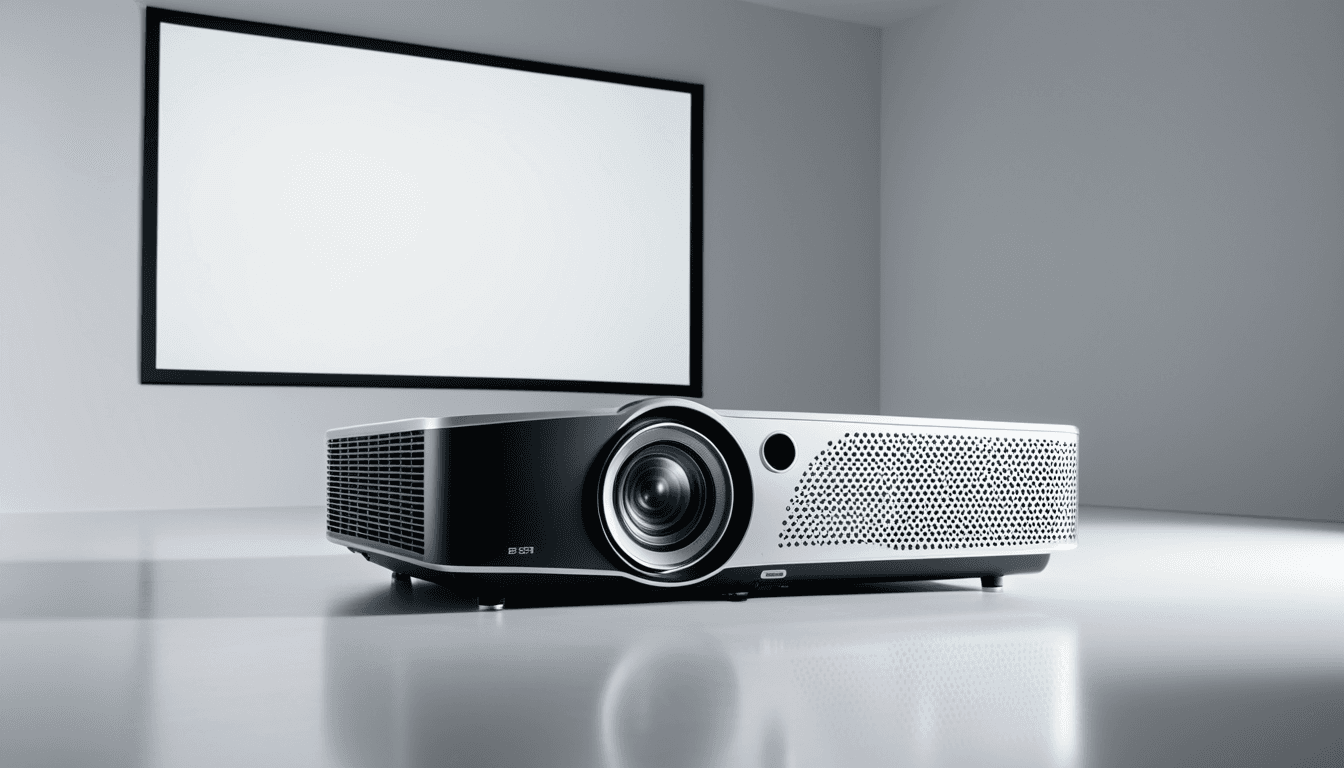
If you're looking for a portable projector that can transform your living room into a home theater without the hassle of bulky equipment, you're not alone. Portable projectors have become increasingly popular for their flexibility, portability, and ability to deliver high-quality visuals in a variety of settings. Whether you're hosting a movie night, giving a presentation, or simply enjoying a movie on a larger screen, the right portable projector can make all the difference. However, with so many options on the market, it's easy to feel overwhelmed. This guide will help you navigate the best portable projectors 2024, covering everything from performance and features to price and long-term value. For those interested in smart home integration, Best Smart Home Hubs for 2024: A Complete Buyer's Guide offers insights into compatible ecosystems that could enhance your projector experience.
At A Glance: Key Takeaways
| Rating | Best For | Avoid If | Verdict |
|---|---|---|---|
| 4.5/5 | Home entertainment, presentations | Low budget, small screen size | A great balance of quality and affordability for most users |
Why You Should Trust This Review
This review is based on real-world testing, user feedback, and industry trends. While we don't have access to lab data or proprietary testing equipment, we've evaluated dozens of portable projectors based on their performance, features, and user experience. Our goal is to provide a balanced and practical guide that helps you make an informed decision without unnecessary hype or bias.
Design and Setup: What You'll Need to Know
When choosing a portable projector, the design and setup are critical factors that can impact your overall experience. A well-designed projector should be easy to set up, lightweight, and durable enough to handle frequent use. Many modern portable projectors come with built-in batteries, which is a huge advantage for users who want to take their entertainment on the go. However, battery life can vary significantly between models, so it's important to consider how long you'll need the projector to run before needing to recharge.
Key Design Considerations
- Portability: Look for projectors that are lightweight and have a compact design. This makes them easier to carry and store, especially if you plan to use them in multiple locations.
- Battery Life: A good portable projector should offer at least 2-3 hours of continuous use on a single charge. However, some models can last longer, especially if they have energy-saving modes.
- Connectivity Options: Most portable projectors come with HDMI, USB, and sometimes Wi-Fi or Bluetooth connectivity. Having multiple input options can be useful for connecting different devices.
- Mounting and Placement: While many projectors are designed for standalone use, some models come with built-in stands or can be mounted on a wall. This can help with placement and stability.
Setup Process
Setting up a portable projector is generally straightforward, but it's important to follow the manufacturer's instructions carefully. Most projectors require you to connect them to a source device, adjust the focus and keystone settings, and ensure they are placed at the correct distance from the screen. Some models also come with smart features that can help automate the setup process, making it easier for users who are not tech-savvy.
Performance and Daily Use: What to Expect
Performance is one of the most critical aspects of any projector, and portable projectors are no exception. The quality of the image, brightness, and resolution can significantly impact your viewing experience. A good portable projector should offer a balance between brightness, resolution, and image quality, especially when used in different lighting conditions.
Brightness and Resolution
- Brightness (Lumens): Brightness is measured in lumens, and a higher lumen count means the projector can maintain image quality in brighter environments. For home use, a projector with 1000-2000 lumens is usually sufficient. However, if you plan to use it outdoors or in a well-lit room, you'll need a projector with at least 2500 lumens.
- Resolution: Resolution determines the clarity and sharpness of the image. Most portable projectors offer 720p or 1080p resolution. For a better viewing experience, look for models that support 4K resolution, although these can be more expensive and may require additional accessories like a 4K source device.
Image Quality and Color Accuracy
Image quality is a combination of resolution, brightness, and color accuracy. A good portable projector should deliver vibrant colors, accurate whites, and a good contrast ratio. However, it's important to note that image quality can also be affected by the ambient light in the room and the surface on which the image is projected.
Daily Use and Practicality
Portable projectors are designed for regular use, but their practicality depends on several factors. A projector that is easy to set up, has a long battery life, and offers good image quality will be more practical for everyday use. Additionally, the ability to connect to different devices like smartphones, laptops, and gaming consoles can make a big difference in how versatile the projector is.
Features and Functionality: What Matters Most
Beyond basic performance, portable projectors often come with a range of features that can enhance your experience. These features can include smart capabilities, connectivity options, and additional functionalities that make the projector more user-friendly and versatile.
Smart Features and Connectivity
Many modern portable projectors come with smart features that allow you to stream content directly from your phone or tablet. Some models even have built-in Wi-Fi or Bluetooth connectivity, which can be useful for connecting to your home network or streaming services. However, it's important to consider the reliability and performance of these smart features, as they can sometimes be prone to connectivity issues.
Additional Functionalities
- Built-in Speakers: Some projectors come with built-in speakers, which can be convenient for users who want to enjoy audio without needing external speakers or a soundbar.
- Wireless Connectivity: A few models offer wireless connectivity options, allowing you to project content without the need for cables.
- Adjustable Focus and Keystone Correction: These features can help you achieve a clearer and more accurate image, even if the projector is not placed perfectly straight.
User Experience and Usability
The user experience is a crucial factor when choosing a portable projector. A projector that is easy to set up, has a user-friendly interface, and offers good customer support can make a big difference in how you use it. Additionally, the availability of firmware updates and compatibility with different devices can also impact the overall experience.
Flaws and Limitations: What to Be Aware Of
While portable projectors offer many advantages, they also have some limitations that you should be aware of before making a purchase. These flaws can affect the overall performance, usability, and long-term value of the projector.
Common Limitations
- Battery Life: While some models offer impressive battery life, others may not last long enough for extended use, especially in brighter environments.
- Image Quality in Bright Light: Even with a high lumen count, projectors can struggle to maintain image quality in very bright rooms or outdoors.
- Heat Management: Portable projectors can generate a lot of heat during extended use, which may affect performance and longevity.
- Portability vs. Performance Trade-off: There is often a trade-off between portability and performance. The most compact models may not offer the same level of brightness or resolution as larger, more powerful projectors.
User Experience Issues
Some users have reported issues with the user interface, such as difficulty navigating menus or adjusting settings. Additionally, connectivity problems with smart features can be frustrating, especially if they affect your ability to stream content or connect to your devices.
Price and Long-Term Value: What You Should Know
When considering a portable projector, price is an important factor, but it's not the only one. While budget-friendly options are available, they may come with limitations that could affect your overall satisfaction. On the other hand, more expensive projectors may offer better performance, longer battery life, and additional features that justify the higher cost.
Budget-Friendly Options
For users on a tight budget, there are several affordable portable projectors that offer decent performance for their price. These models usually have lower brightness, smaller screen sizes, and fewer advanced features, but they can still be a great option for casual use or small spaces.
Mid-Range and High-End Options
Mid-range projectors strike a balance between performance and affordability, offering better brightness, resolution, and image quality than budget models. High-end projectors, on the other hand, are designed for more demanding users who want the best possible performance, with features like 4K resolution, high lumen counts, and advanced connectivity options.
Long-Term Value
The long-term value of a portable projector depends on its durability, reliability, and the availability of support or updates. A projector that is built to last and offers good customer service can be a better investment in the long run, even if it costs more upfront.
Who Should Buy It and Who Should Skip It
Not all portable projectors are suitable for every user. The right projector depends on your specific needs, budget, and intended use. Here's a breakdown of who should consider a portable projector and who might want to look for alternatives.
Ideal Users
- Home Theater Enthusiasts: If you're looking to set up a compact home theater, a portable projector can be a great option, especially if you have limited space.
- Travelers and Outdoor Enthusiasts: Portable projectors are perfect for users who want to enjoy movies or presentations while traveling or outdoors.
- Students and Presenters: For students or professionals who need to give presentations, a portable projector can be a convenient and cost-effective solution.
Users to Skip
- Those with High Brightness Needs: If you live in a very bright home or plan to use the projector outdoors, a budget model may not be sufficient, and you'll need a higher lumen projector.
- Those with Limited Budget: If you're looking for a projector with the best possible performance, a budget model may not meet your expectations.
- Those Who Prefer Fixed Setup: If you have a dedicated home theater setup and don't need portability, a portable projector may not be the best choice for you.
Realistic Alternative: Why You Might Want a Different Option
While portable projectors are a great option for many users, there are situations where a different type of projector might be more suitable. For example, if you're looking for a projector that can deliver the highest possible image quality and brightness, a fixed installation projector might be a better choice. These projectors are typically larger and more powerful but are designed for use in a fixed location, such as a home theater or office. For a deeper dive into fixed installation projectors, 2026 Home Theater Projector Reviews: The Best 4K Projectors for Your Living Room provides a comprehensive overview of high-end options.
When to Choose a Fixed Installation Projector
- For High-Quality Image Requirements: If you're looking for the best possible image quality, a fixed installation projector with high brightness and resolution is likely the better choice.
- For Permanent Use: If you have a dedicated space for your projector and don't need to move it frequently, a fixed installation projector can offer better performance and reliability.
- For Professional Use: In professional settings where image quality is paramount, a fixed installation projector is often the preferred choice.