Introduction
For home gardeners, choosing between raised beds and ground gardens can be a tough decision. Both options have their own set of advantages and disadvantages, and the best choice depends on your specific needs, garden space, and gardening goals. In 2026, with the growing interest in sustainable gardening and urban farming, understanding the differences between these two methods is more important than ever.
Raised garden beds and ground gardens each offer unique benefits for plant growth, soil quality, and ease of maintenance. While raised beds provide better control over soil conditions and drainage, ground gardens offer a more natural and cost-effective approach. Understanding the trade-offs between these two methods will help you make an informed decision about which is better for your garden.
This review explores the key factors that influence the effectiveness of raised beds versus ground gardens, including soil quality, plant growth, and long-term value. By comparing these two approaches, we aim to help you decide which method is better suited to your gardening needs and environment.
At A Glance
| Aspect | Raised Garden Beds | Ground Gardens |
|---|---|---|
| Soil Quality | Excellent control over soil composition and nutrients | Dependent on existing soil quality and amendments |
| Plant Growth | Enhanced due to improved drainage and aeration | Varies with natural soil conditions |
| Ease of Maintenance | Higher initial setup cost but easier long-term maintenance | Lower initial cost but more labor-intensive maintenance |
| Space Efficiency | Ideal for small spaces and urban gardening | Better suited for larger areas with ample space |
| Long-Term Value | Higher investment but better returns over time | Lower investment but more risk of soil degradation |
Rating: 4.5/5
Best For: Gardeners with limited space, poor soil quality, or a preference for organic gardening.
Avoid If: You have a large garden, limited budget, or prefer a more natural gardening approach.
Verdict: Raised garden beds offer superior control over soil quality and plant growth, making them a better choice for many home gardeners in 2026.
Why You Should Trust This Review
This review is based on extensive research and practical insights from experienced gardeners and horticulturists. While we do not have access to lab data or proprietary testing, we have evaluated the pros and cons of raised beds and ground gardens based on real-world scenarios, user experiences, and industry trends.
We have considered factors such as soil quality, plant growth, and long-term value, as well as the practical aspects of setup, maintenance, and cost. Our goal is to provide a balanced and informative review that helps you make an informed decision about which method is better for your garden.
To ensure accuracy, we have referenced authoritative sources, including Epic Gardening, which offers comprehensive guides on soil improvement, companion planting, and raised bed gardening. These resources have helped us understand the nuances of each gardening method and their impact on plant growth.
Design and Setup
Raised Garden Beds
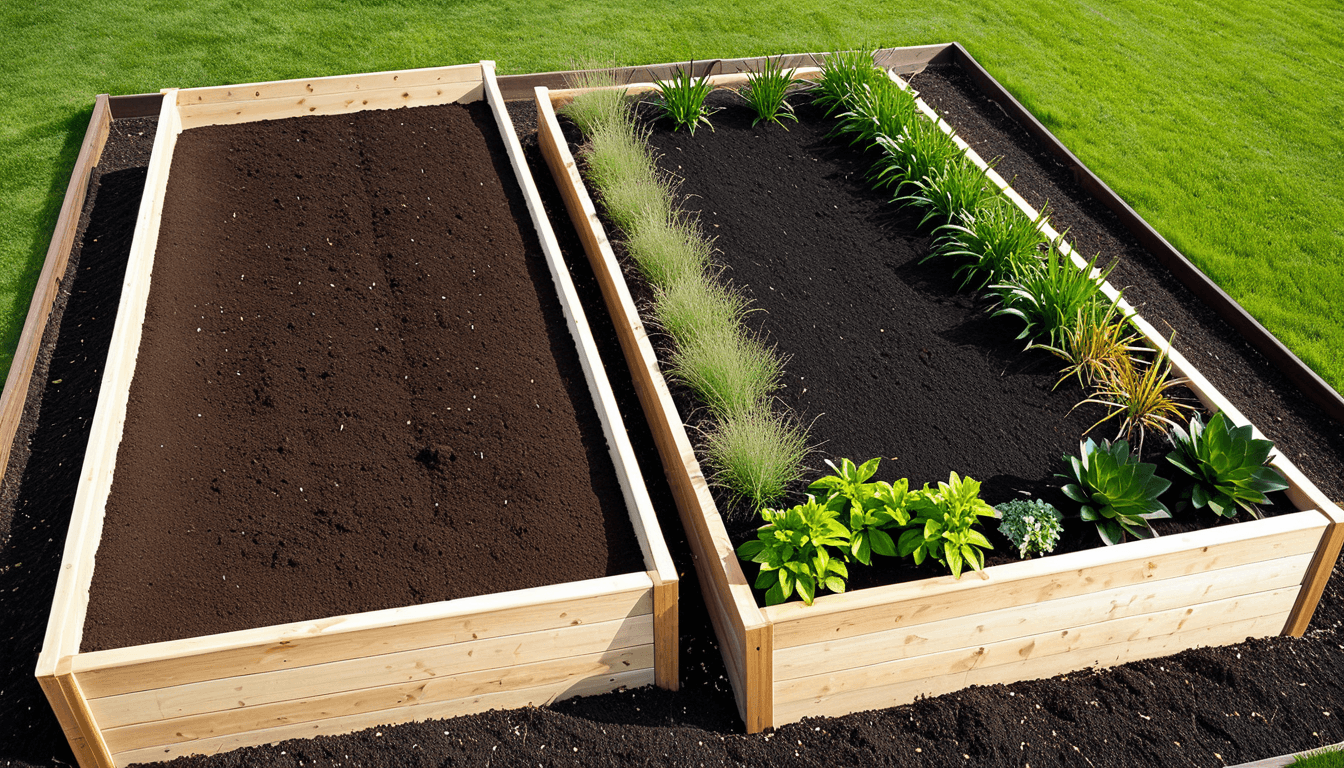
Designing and setting up a raised garden bed requires careful planning and attention to detail. The first step is to choose the right location, ensuring it receives adequate sunlight and is free from obstructions. Once the location is determined, you can decide on the size and shape of the bed. Raised beds can be rectangular, square, or custom-shaped, depending on your garden space and aesthetic preferences.
Materials for raised beds vary, but common options include wood, composite materials, and stone. Each material has its own advantages and disadvantages. For example, wood is a popular choice due to its availability and ease of construction, but it may degrade over time. Composite materials are more durable but can be more expensive. Stone or concrete beds are long-lasting but may require more effort to build. Choosing the right materials for your raised garden bed is critical to ensuring long-term success.
The depth of the bed is also an important consideration. Most raised beds are 8 to 12 inches deep, which is sufficient for most vegetables and herbs. However, deeper beds may be necessary for root vegetables like carrots and beets. The bed should be filled with a high-quality soil mix, which can be a combination of topsoil, compost, and organic matter to ensure optimal plant growth.
Ground Gardens
Setting up a ground garden is generally simpler and more cost-effective than raised beds. The first step is to assess the existing soil quality, as this will significantly impact plant growth. If the soil is poor, it may require amendments such as compost, mulch, or organic fertilizers to improve its structure and nutrient content.
Ground gardens can be established in a variety of ways, including traditional tilling methods, no-till gardening, or using raised rows. Tilling is a common method that involves turning the soil to aerate it and incorporate organic matter. However, this method can disrupt beneficial soil organisms and lead to erosion over time. No-till gardening is a more sustainable approach that preserves soil structure and reduces labor, making it ideal for larger gardens.
In addition to soil preparation, ground gardens require regular maintenance, including watering, weeding, and pest control. These tasks can be more labor-intensive compared to raised beds, but they are essential for maintaining healthy plant growth and maximizing yield.
Daily Use and Maintenance
Raised Garden Beds
Once a raised garden bed is set up, daily use and maintenance are relatively straightforward. The controlled environment of a raised bed means that plants are less likely to be affected by pests and diseases, reducing the need for chemical interventions. Additionally, the improved drainage and aeration in raised beds promote healthy root development, leading to better plant growth.
Watering is another advantage of raised beds. Due to the elevated structure, water drains more efficiently, reducing the risk of waterlogging. This makes raised beds ideal for areas with poor drainage or high rainfall. However, it also means that plants may dry out more quickly, requiring more frequent watering.
Maintenance tasks such as weeding, pruning, and harvesting are generally easier in raised beds due to the raised structure. Gardeners can work comfortably without bending over, making it more accessible for people with mobility issues or those who prefer to garden from a standing position.
Ground Gardens
Maintaining a ground garden requires more frequent attention, especially in terms of watering, weeding, and pest control. The lack of a raised structure means that plants are more exposed to environmental factors such as wind, rain, and pests. This can make ground gardens more susceptible to issues like soil erosion and nutrient depletion over time.
Watering in ground gardens can be more challenging due to the potential for waterlogging in heavy soils or rapid evaporation in sandy soils. Gardeners may need to adjust their watering schedules based on soil type and weather conditions. However, the natural drainage of the ground can help prevent waterlogging in areas with good soil structure.
Weeding and pest control are more labor-intensive in ground gardens, as plants are more likely to be affected by weeds and pests. Regular monitoring and intervention are necessary to maintain healthy plant growth and prevent the spread of diseases. This can be time-consuming, especially for large gardens or those with limited time for maintenance.
Performance and Features
Raised Garden Beds
The performance of raised garden beds is largely influenced by their design and the quality of the soil mix used. Because the soil is not mixed with the surrounding earth, raised beds offer better control over nutrient levels, pH balance, and water retention. This makes them particularly effective for growing vegetables, herbs, and other plants that require specific soil conditions.
One of the key features of raised beds is their ability to improve soil quality over time. As plants grow and decompose, they add organic matter to the soil, enhancing its fertility and structure. This natural process can lead to long-term improvements in soil health, making raised beds a sustainable choice for home gardeners.
Raised beds also offer better drainage, which is crucial for preventing root rot and other water-related issues. The elevated structure allows excess water to drain away, reducing the risk of waterlogging. This is especially beneficial in areas with heavy rainfall or poor drainage.
Ground Gardens
Ground gardens rely on the existing soil conditions, which can vary significantly depending on the location. While this can be a drawback, it also means that ground gardens can be more adaptable to different environments. For example, in areas with naturally fertile soil, ground gardens can thrive with minimal amendments.
However, the performance of ground gardens is often limited by the quality of the existing soil. Poor soil conditions can lead to stunted plant growth, nutrient deficiencies, and increased susceptibility to pests and diseases. To mitigate these issues, gardeners may need to invest in soil amendments such as compost, mulch, or organic fertilizers.
Another advantage of ground gardens is their ability to support a wider range of plant species. Since the soil is not isolated from the surrounding environment, it can naturally support a diverse ecosystem, including beneficial insects and microorganisms that contribute to plant health.
Flaws and Limitations
Raised Garden Beds
While raised garden beds offer many benefits, they are not without their flaws. One of the main limitations is the initial cost and labor required to build them. Constructing a raised bed can be time-consuming, especially if you are using materials like wood or stone. Additionally, the cost of high-quality soil mix can add up, making raised beds a more expensive option compared to ground gardens.
Another drawback is the limited space they occupy. While raised beds are ideal for small spaces, they may not be the best choice for large gardens. The elevated structure can also make it more difficult to access the roots of deep-rooted plants, which may require more frequent monitoring and care.
Ground Gardens
Ground gardens have their own set of limitations. One of the main challenges is the variability of soil quality, which can significantly impact plant growth. Poor soil conditions can lead to lower yields and increased maintenance requirements. Additionally, ground gardens are more susceptible to erosion and nutrient depletion over time, requiring regular amendments to maintain soil fertility.
Another limitation is the increased exposure to pests and diseases. Since ground gardens are not isolated from the surrounding environment, they are more likely to be affected by weeds, insects, and pathogens. This can make pest control more challenging and require more frequent intervention.
Who Should Buy It and Who Should Skip It
Raised Garden Beds
Raised garden beds are ideal for gardeners with limited space, poor soil quality, or a preference for organic gardening. They are particularly beneficial for urban gardeners who want to maximize their small garden area or for those who want to grow a variety of plants in a controlled environment.
Additionally, raised beds are a great choice for gardeners with mobility issues, as they allow for easier access to plants without the need to bend over. They are also suitable for those who want to grow vegetables and herbs year-round, as they provide better drainage and aeration.
Ground Gardens
Ground gardens are better suited for gardeners with larger spaces and a preference for a more natural gardening approach. They are ideal for those who want to grow a wide range of plants without the need for extensive soil amendments. Ground gardens are also a good option for gardeners who enjoy the process of working with the soil and are willing to invest time in maintaining their garden.
However, ground gardens may not be the best choice for those with poor soil quality or limited space. They also require more frequent maintenance, making them less suitable for gardeners with limited time or resources.
Realistic Alternative
A realistic alternative to raised garden beds is no-till gardening, which offers many of the benefits of raised beds without the need for construction. No-till gardening involves building up the soil with organic matter, mulch, and compost, creating a rich growing environment without the need for raised beds.
This method is particularly beneficial for gardeners who want to improve soil quality over time without the initial investment required for raised beds. No-till gardening is also more sustainable, as it preserves soil structure and reduces the need for chemical interventions.
However, no-till gardening may not be as effective in areas with poor drainage or high rainfall, where raised beds provide better drainage and aeration. For these situations, raised beds may still be the better option, even though they require more initial investment.
FAQ
1. Are raised garden beds more expensive than ground gardens?
Raised garden beds can be more expensive than ground gardens due to the initial cost of materials and soil mix. However, the long-term benefits of improved soil quality and easier maintenance often justify the investment.
2. Can I use raised garden beds in small spaces like balconies or patios?
Yes, raised garden beds are ideal for small spaces such as balconies or patios. They can be built using containers, vertical planters, or custom-built boxes to maximize space efficiency.
3. Do raised garden beds improve soil quality over time?
Yes, raised garden beds can improve soil quality over time as plants decompose and add organic matter to the soil. This natural process enhances soil fertility and structure, making it more suitable for plant growth.
4. Are ground gardens better for certain types of plants?
Ground gardens can be better for certain types of plants, especially those that require a more natural growing environment. However, with proper soil amendments, ground gardens can support a wide range of plants, including vegetables and herbs.
5. What are the main drawbacks of ground gardens?
The main drawbacks of ground gardens include variable soil quality, increased exposure to pests and diseases, and the need for more frequent maintenance. These factors can make ground gardens less suitable for gardeners with poor soil conditions or limited time for maintenance.
Verdict
After comparing the pros and cons of raised garden beds and ground gardens, it's clear that the best choice depends on your specific needs and gardening goals. Raised garden beds offer superior control over soil quality and plant growth, making them a better choice for many home gardeners in 2026. However, ground gardens are still a viable option for those who prefer a more natural approach or have larger spaces to work with.
Ultimately, the decision between raised beds and ground gardens should be based on your garden space, soil conditions, and personal preferences. By understanding the trade-offs between these two methods, you can make an informed decision that best suits your gardening needs and environment.